
 Let’s Talk
 Inument


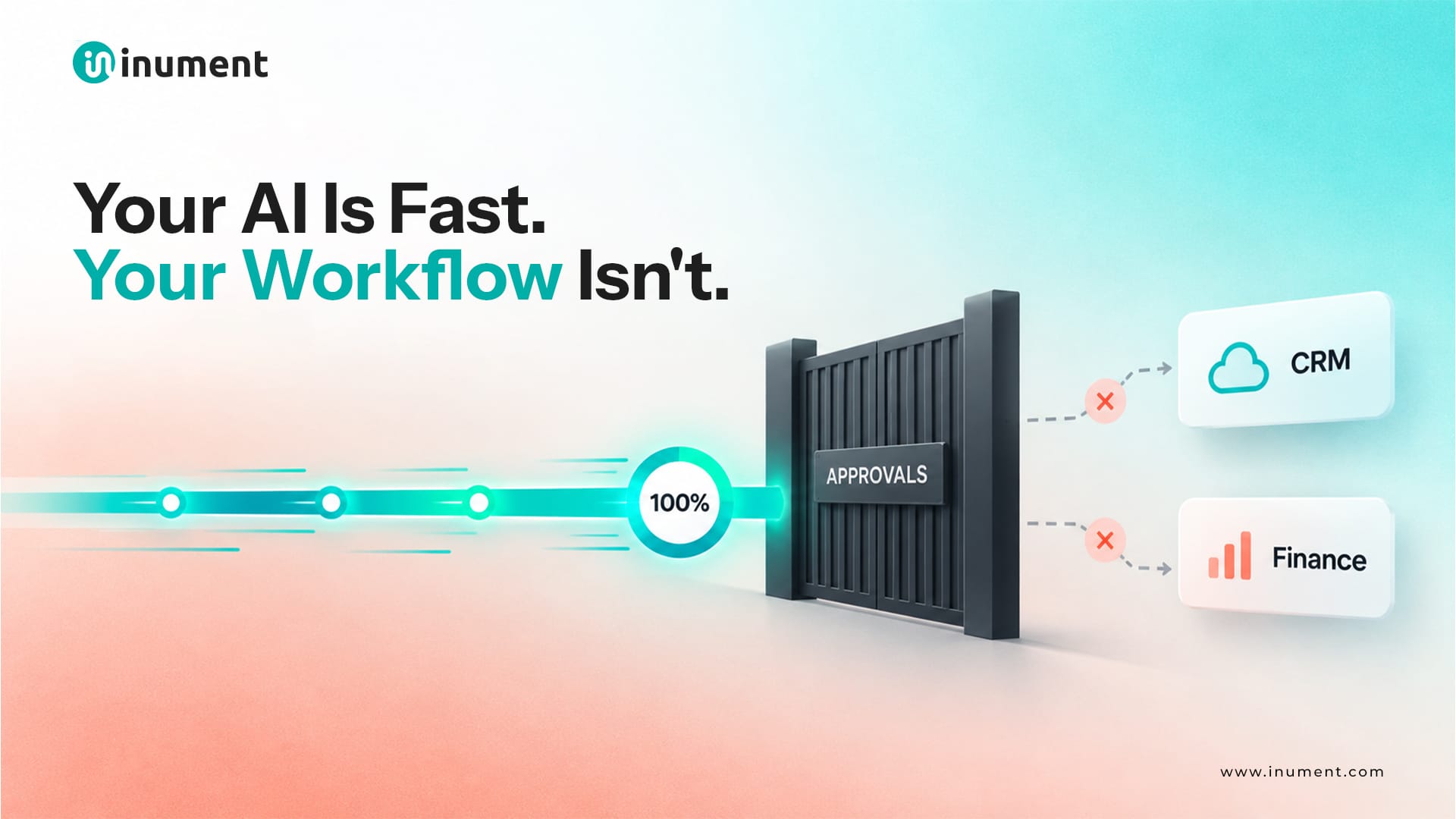
Imagine an AI agent reviewing a customer refund request in seconds. It checks the order history, verifies the details and recommends a resolution.
Yet the customer waits another two days.
The problem? The finance system is disconnected, approvals still happen through email, and employees must manually update customer records.
The AI completed its task. The business process remained slow.
This is an overlooked challenge in generative AI integration for enterprise operations. Companies invest in intelligent tools expecting faster results, but often discover that the processes surrounding those tools haven’t changed.
A faster AI system doesn’t automatically create a more efficient business.
AI Productivity Is Growing. Business Transformation Is Harder.
In October 2026, McKinsey published AI Is Changing Work. Now It Has to Change the Organization, highlighting an important difference between AI adoption and organizational transformation.
Its research found that nearly 75% of AI high performers substantially redesign their workflows, compared with approximately 25% of other organizations.
Although these findings show an association rather than direct causation, they point to an important pattern.
Organizations achieving greater AI impact are more likely to rethink how work happens, rather than simply introduce new tools.
Consider a customer support department where AI generates responses instantly, but employees still switch between multiple applications to resolve requests.
Technology improves one activity. The wider process remains inefficient.
For business leaders, the real question becomes: Are we improving individual tasks, or improving how the entire operation works?
The Hidden Problem: Disconnected Business Workflows
Most enterprises operate across multiple applications, departments, and approval processes.
Customer information lives in a CRM. Financial transactions happen in an ERP. Internal requests move through separate platforms.
These systems may work well individually while creating delays whenever information needs to move between them.
Introducing AI can accelerate certain tasks without removing those delays.
Sometimes manual approvals are necessary for security or accountability. Other times, they exist because systems were never properly integrated.
The challenge is determining which steps need human judgment, which require better integration, and which can safely be automated.
Without that understanding, businesses risk automating the same inefficiencies they intended to eliminate.
What Generative AI Integration for Enterprise Actually Requires
Successful enterprise AI implementation involves more than connecting an AI model to existing software.
Three engineering considerations are particularly important.
1. Reliable Data and System Integration
AI must access accurate information from authorized business systems.
This requires secure APIs, dependable data pipelines, and clear access permissions.
An AI agent may need to retrieve payment information, for example, without having unrestricted permission to initiate transactions.
The architecture must distinguish between accessing information and executing business actions.
2. Safe Automation and Failure Recovery
Imagine an AI-supported refund workflow where the payment succeeds but the CRM update fails.
If the system automatically repeats the entire process, the customer could receive a duplicate refund.
Reliable engineering addresses these risks through transaction tracking, controlled retries, idempotency safeguards, and recovery mechanisms.
These decisions rarely appear in AI demonstrations, yet they determine whether automated workflows can operate safely in production.
3. Monitoring and Accountability
When an AI-supported process produces an unexpected result, businesses need to understand what happened.
Which information influenced the response? What action was attempted? Was human approval required?
Continuous evaluation, system monitoring, and appropriate audit records make AI operations easier to investigate and improve.
Production-ready AI depends on the reliability of the entire system, not just the model behind it.
Better Engineering Must Support Better Business Processes
Even technically reliable AI cannot fix every operational problem.
If an organization has five unnecessary approval stages, developing an AI agent to navigate them may increase speed without removing the underlying complexity.
Business leaders must first decide how the process should work.
Engineering teams can then implement the required integrations, automation, safeguards, and supporting infrastructure.
Success also needs to be measured beyond AI response times.
End-to-end resolution time, operational errors, manual intervention, and cost per completed process provide a clearer picture of business impact.
The objective should be to improve the outcome, not simply increase the number of automated activities.
How Inument Approaches AI Transformation
At Inument, we focus on the engineering that connects AI capabilities with practical business applications.
Our expertise includes AI and machine learning development, workflow automation, backend engineering, API integration, and cloud infrastructure.
Our published work in AI-powered e-commerce search and discovery describes Adaptive Transformer Search technology, an example of applying AI within a digital product rather than treating it as a standalone tool.
For enterprise applications, the right approach depends on existing infrastructure, operational requirements, and business objectives.
Sometimes an AI agent is appropriate. In other cases, better system integration or conventional automation may deliver greater value.
The priority is choosing an engineering solution that addresses the actual business problem.
The Real Opportunity Goes Beyond Faster AI
AI can help employees complete tasks faster, but meaningful business transformation happens when entire workflows become more efficient.
That requires connected systems, thoughtful process redesign, reliable engineering, and clear accountability.
For businesses investing in AI, the real measure of success is how effectively technology improves operations and delivers measurable value.
The question is no longer how fast AI can work, but how much better the business can perform because of it.
About the Author

Safkat Nirjash
Related Insights


Your Project Doesn’t Need Agile. It Needs the Right Delivery Model
02 October 2026
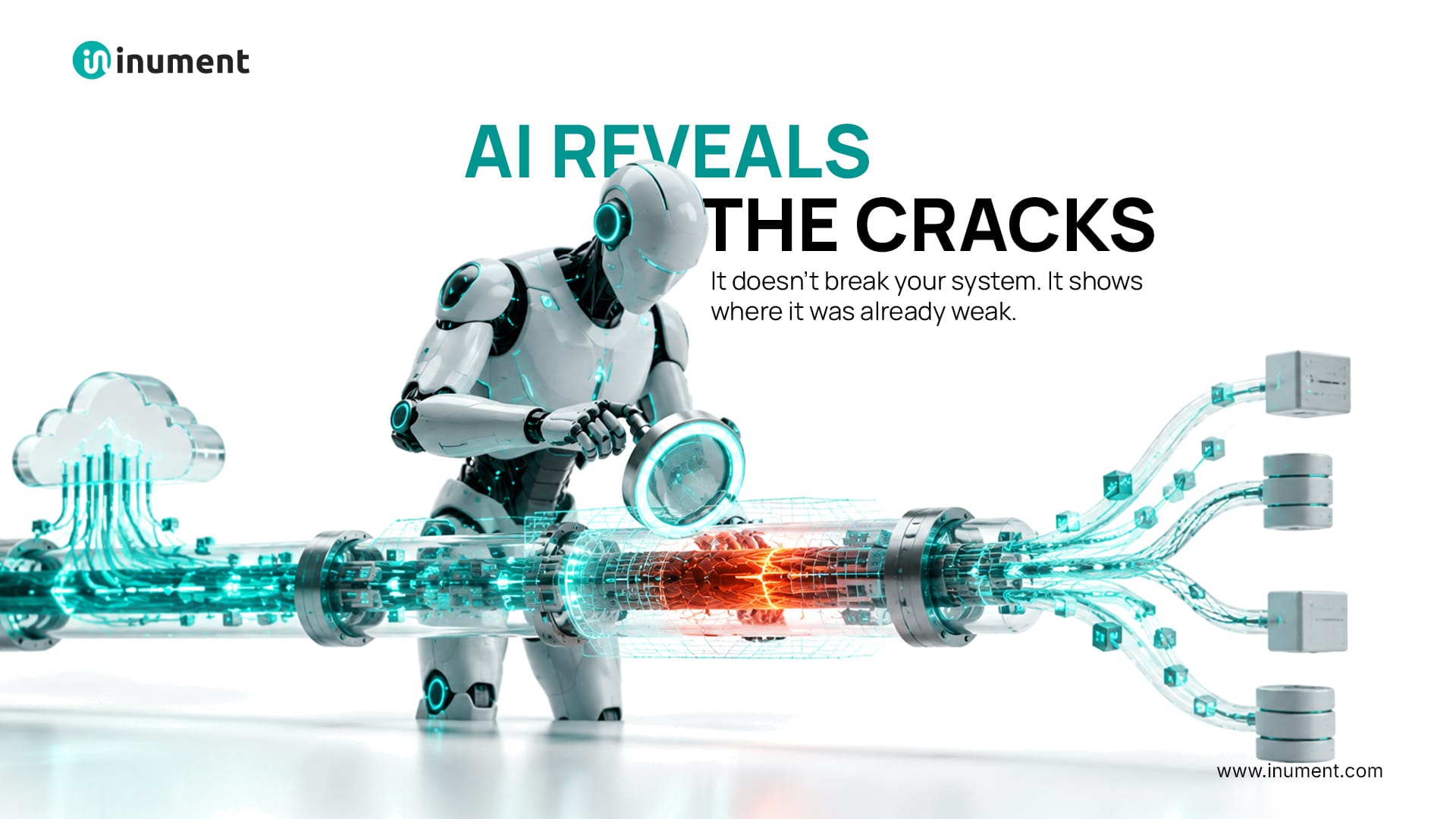
Cloud Didn’t Fix Your Architecture. AI Just Exposed It
24 September 2026
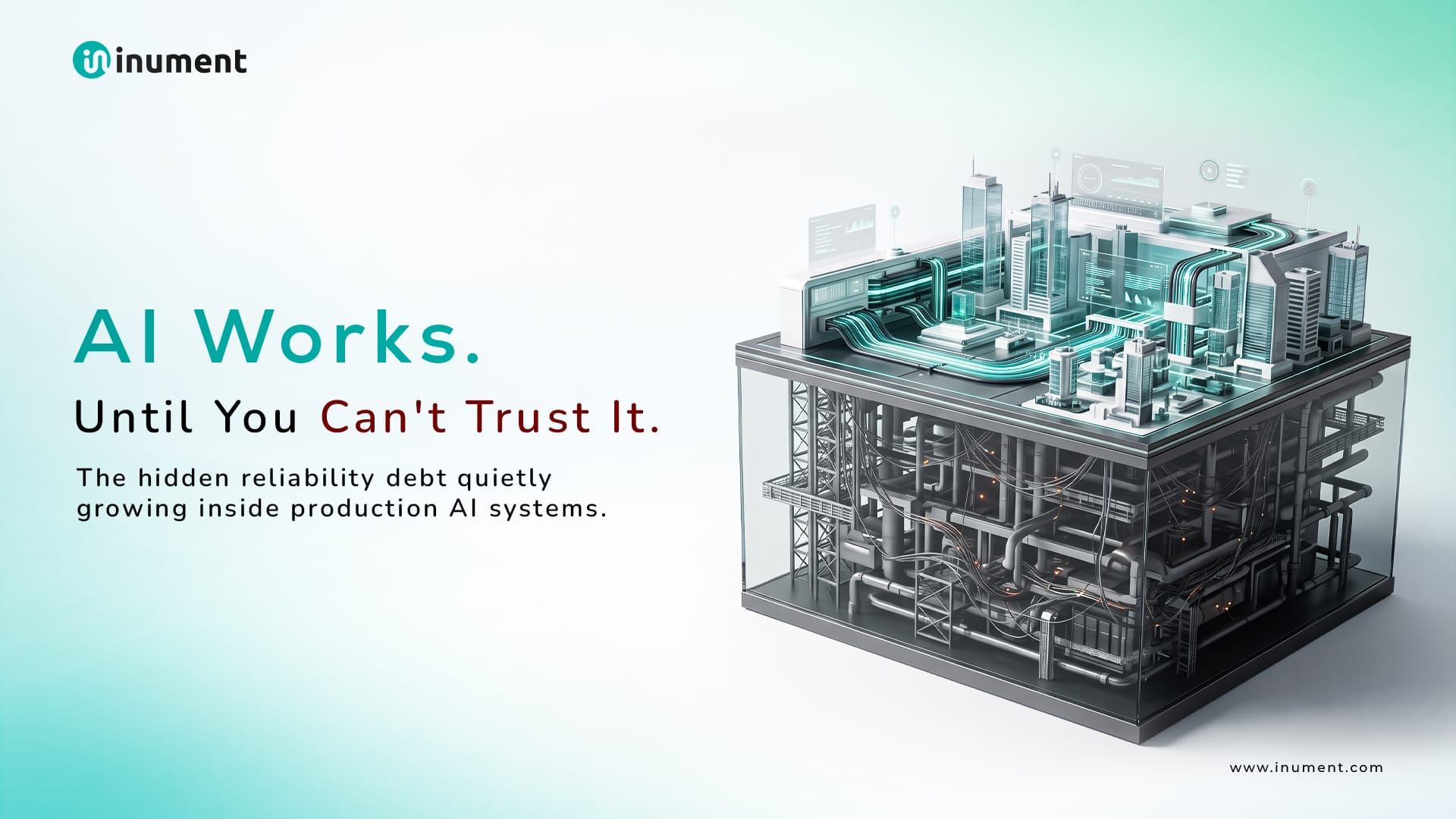
AI Reliability Debt: The Hidden Cost of Production AI Systems
14 September 2026

Quality Assurance Isn’t a Cost. It’s What Stands Between You and a Bad Reputation
07 September 2026
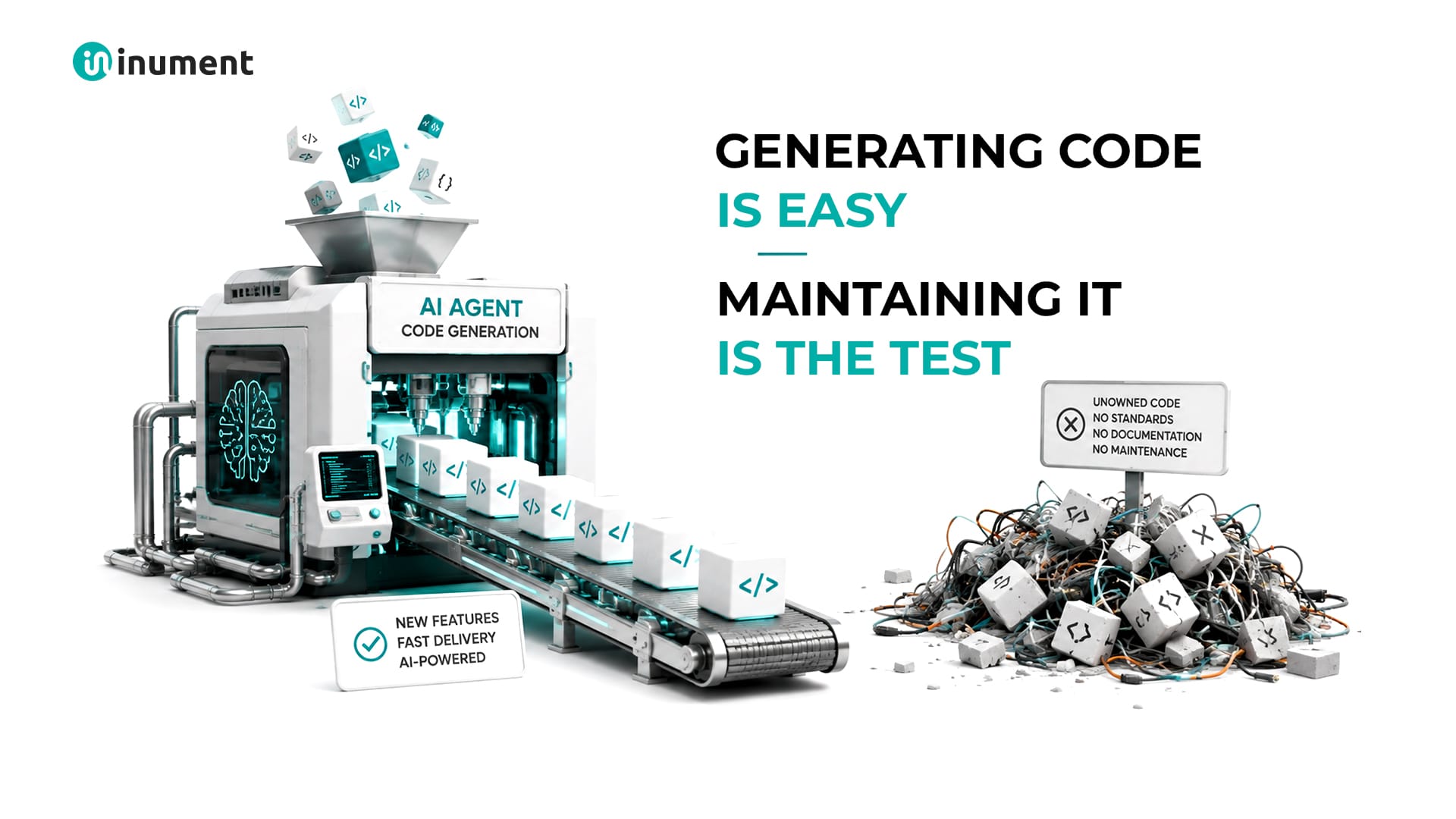
AI Can Generate Code. Can It Maintain the Codebase Six Months Later?
17 August 2026
