
 Let’s Talk
 Inument


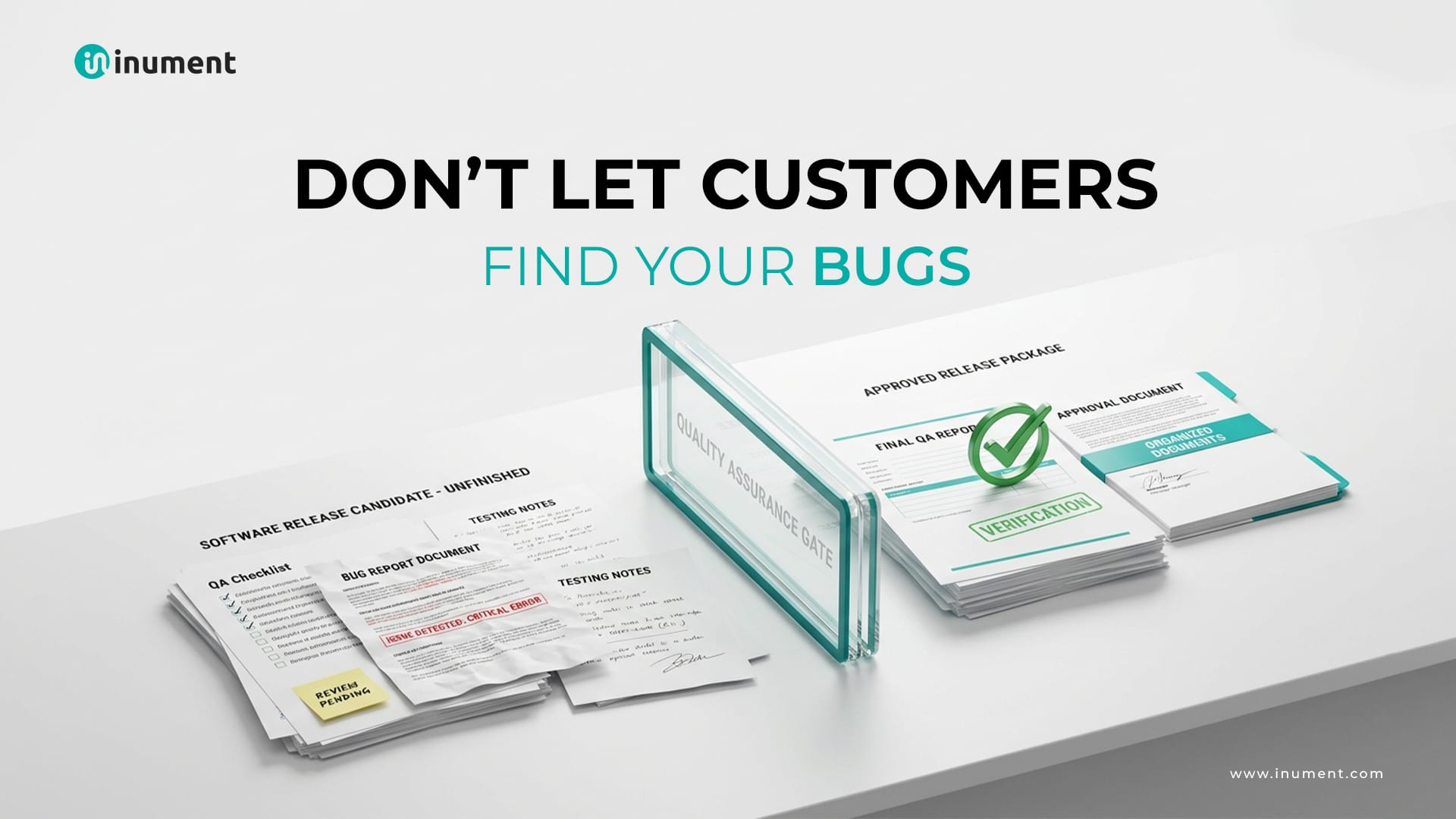
Your product will be judged by the one thing that goes wrong, not the hundred things that go right.
A customer doesn’t remember the checkout that worked ten times. They remember that once it failed, took their money, and showed no confirmation. That single moment is what they tell other people about. This is the real reason quality assurance matters, and it’s a much bigger idea than “finding bugs before release.”
Quality assurance is how a business makes sure that what it ships actually does what it promised, reliably, for real people, under real conditions. It isn’t a final checkpoint at the end of a project. Done well, it runs alongside the work from the first day, quietly deciding whether the thing you build is worth the money and time your customers give it.
What quality assurance actually is
Most people picture QA as someone clicking through an app looking for things that break. That’s part of it, but it undersells the point. QA is a disciplined process for confirming that a product meets a defined standard before your customers become the ones who discover it doesn’t. It’s less about catching mistakes and more about building in a way where mistakes have fewer places to hide.
The distinction matters because it changes when QA starts. If quality is only checked at the end, you’ve already paid to build the wrong thing. If it’s considered from the beginning, you avoid the problem instead of paying to fix it later.
Why it’s worth the investment
The value of QA becomes obvious the moment you count what poor quality actually costs.
It protects your reputation. Everything you release into the market becomes a public statement about your standards. Customers examine products closely, and if what they get falls short of what they expected, that gap becomes your reputation, no matter how good your marketing was.
It saves money, not spends it. A defect caught early is cheap to fix. The same defect caught in production, after it has frustrated users and reached support tickets, is far more expensive in engineering hours and causes lost trust and sometimes lost customers. Prevention is almost always cheaper than correction.
It protects the experience, not just the interface. Many quality problems don’t look like broken buttons. They look like a slow page, a confusing step or a workflow that technically works but wears the user down. QA that only checks whether features “function” misses this entirely. Good QA asks whether the product is actually usable, not just operational.
It compounds over time. A reliable product lets you charge with confidence, keep the customers you win, and grow without constantly firefighting. Quality isn’t a one-time expense. It’s a foundation the rest of the business stands on.
Is QA the same as testing?
This is a common mix-up. Testing is one activity inside QA, not a synonym for it. Testing checks whether a specific thing works. Quality assurance is the wider discipline that shapes how the whole product is built and delivered, the inputs as well as the outputs. They share a goal, a product the customer can trust, but QA is the system, and testing is one tool inside it.
Can your developers just handle QA themselves?
They can, but it’s rarely the strongest approach, and the reason is human, not technical.
When you build something, you naturally test it the way you expect it to be used. You check the paths you designed. What you tend to miss are the paths you never imagined, the odd input, the unexpected sequence and the edge case that only a fresh set of eyes goes looking for. A developer testing their own work carries an unconscious bias toward proving it works, not toward finding where it fails.
A dedicated QA perspective is different by design. It looks beyond the stated feature to everything that feature touches. It tests what should happen and, just as importantly, what shouldn’t. That independence is the whole point. It’s hard to objectively question something you just built.
Why this matters even more for startups and growing teams
For a small company, reputation is fragile and word travels fast. You don’t have the brand weight to absorb a bad first impression. Early customers are also your loudest reference, in both directions. Investing in quality early isn’t a luxury you earn later; it’s how you make sure the first version of your product earns the trust that everything else depends on. It also gives you an honest read on how your work is actually perceived, instead of guessing.
Where Inument fits
At Inument, quality isn’t a stage we bolt on before launch. It’s built into how our engineers work, because we embed directly in your team, follow your standards, and own the outcome, not just the code. That means the people building your product and the people safeguarding its quality are working from the same context, toward the same result: software your customers can rely on without thinking about it.
The best quality assurance is invisible. It’s the product that simply works, so well that no one notices the effort behind it. That’s the standard we build to.
Because in the end, quality decides whether what leaves your business is worth your customers’ money and time. And that, more than any feature, is what your business will be remembered for.
About the Author

Khalid Rahman
Related Insights

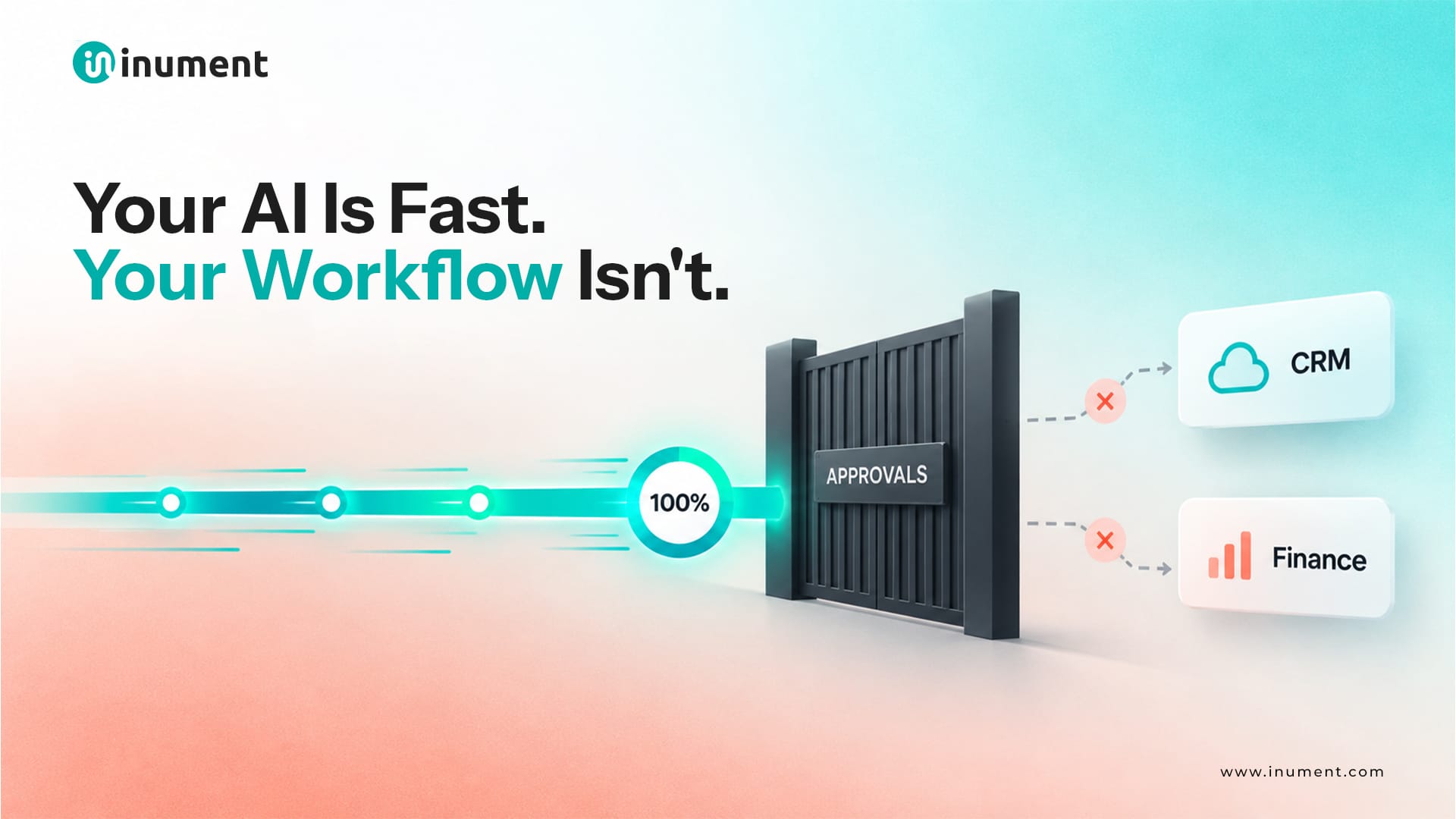
Your AI Is Faster. Why Is Your Business Still Waiting?
13 October 2026

Your Project Doesn’t Need Agile. It Needs the Right Delivery Model
02 October 2026
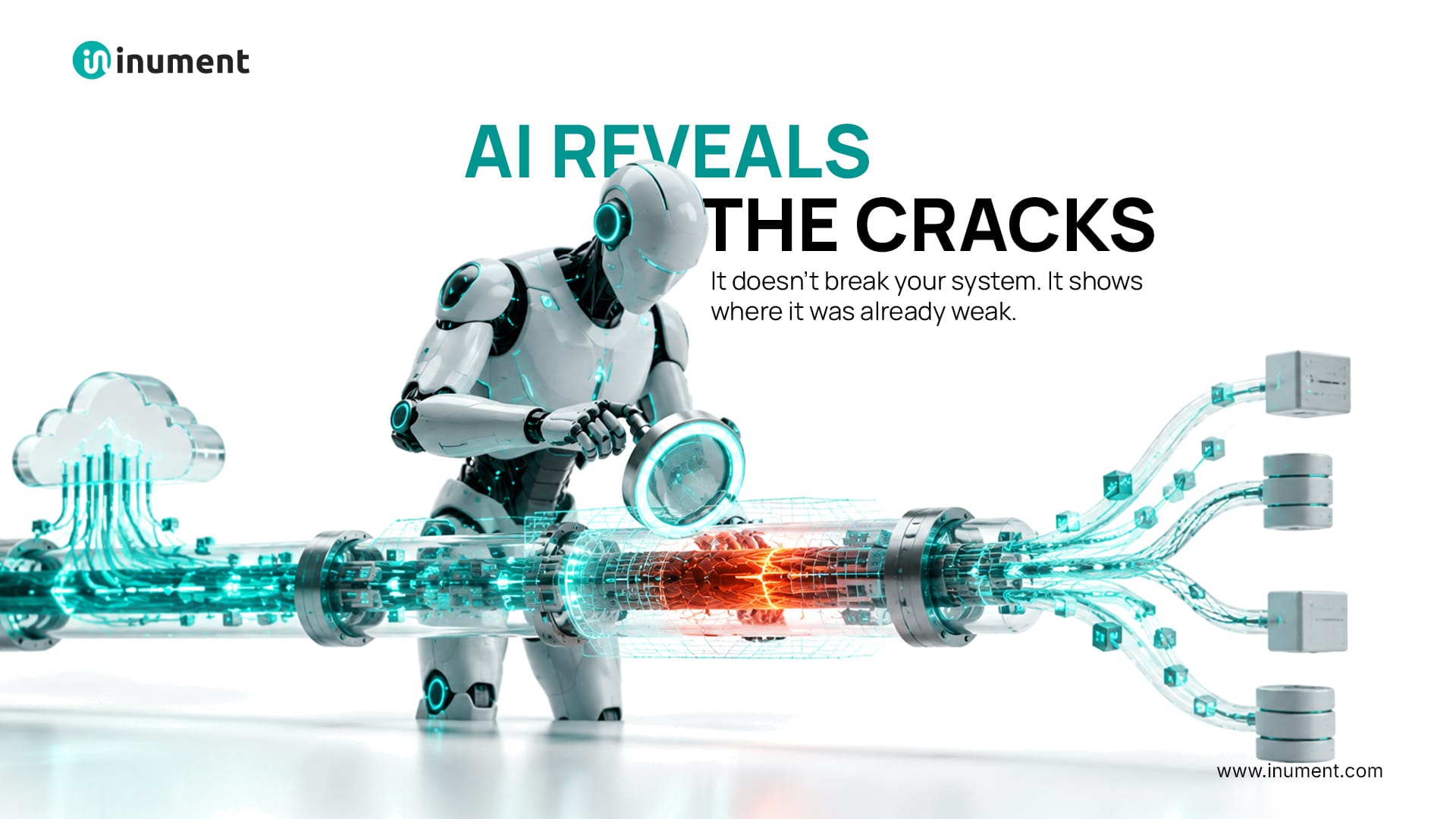
Cloud Didn’t Fix Your Architecture. AI Just Exposed It
24 September 2026
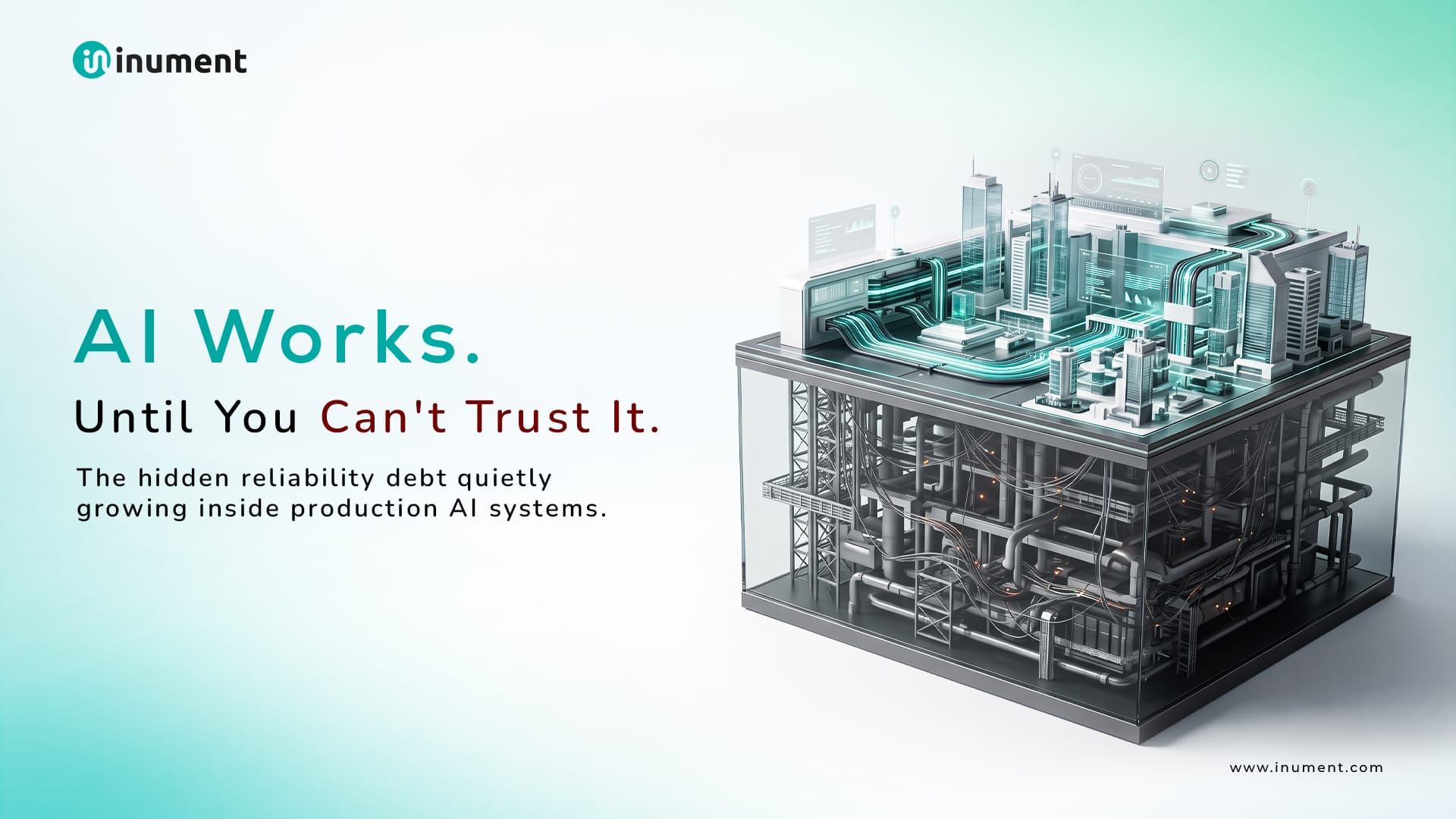
AI Reliability Debt: The Hidden Cost of Production AI Systems
14 September 2026
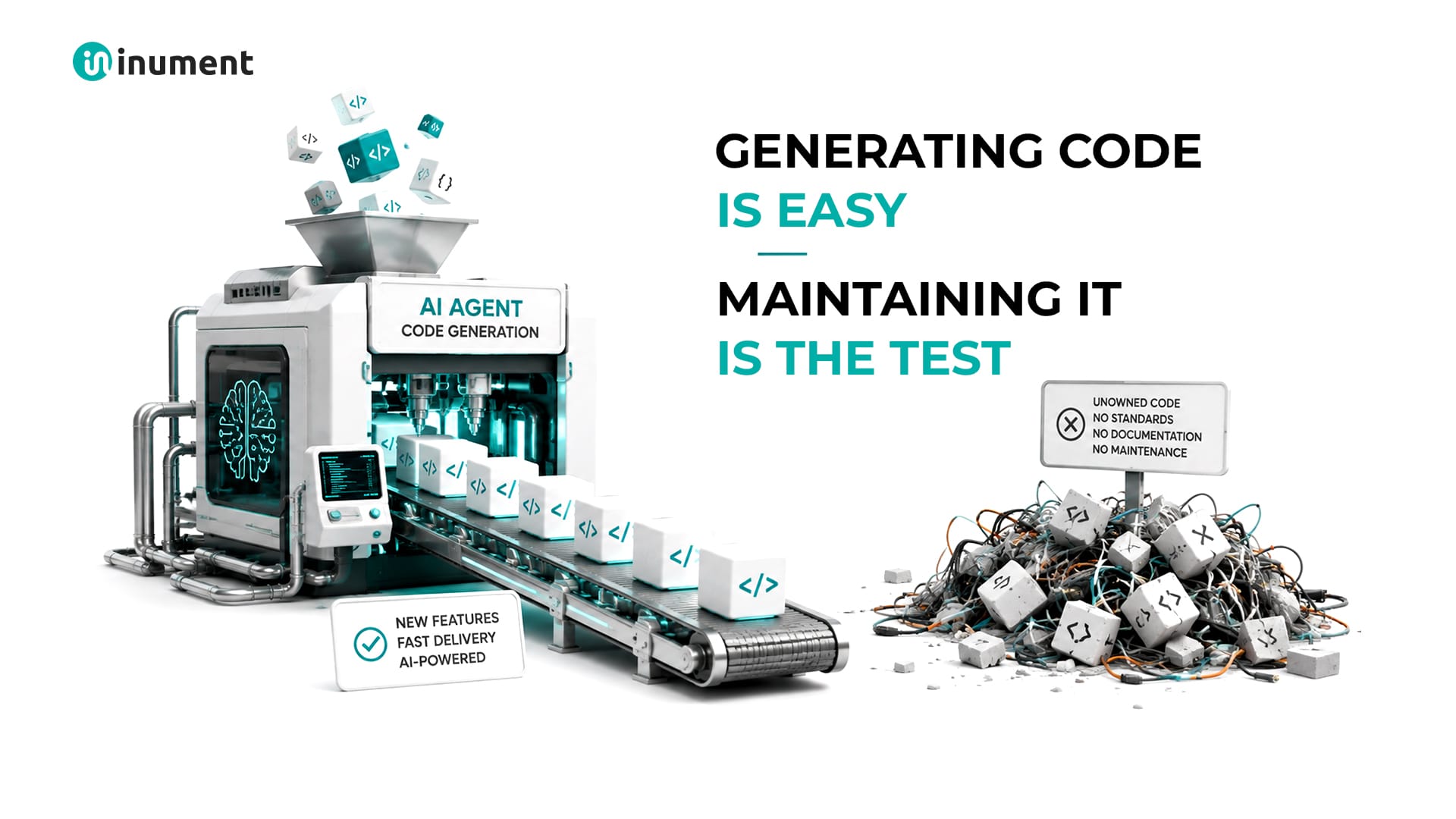
AI Can Generate Code. Can It Maintain the Codebase Six Months Later?
17 August 2026
