
 Let’s Talk
 Inument


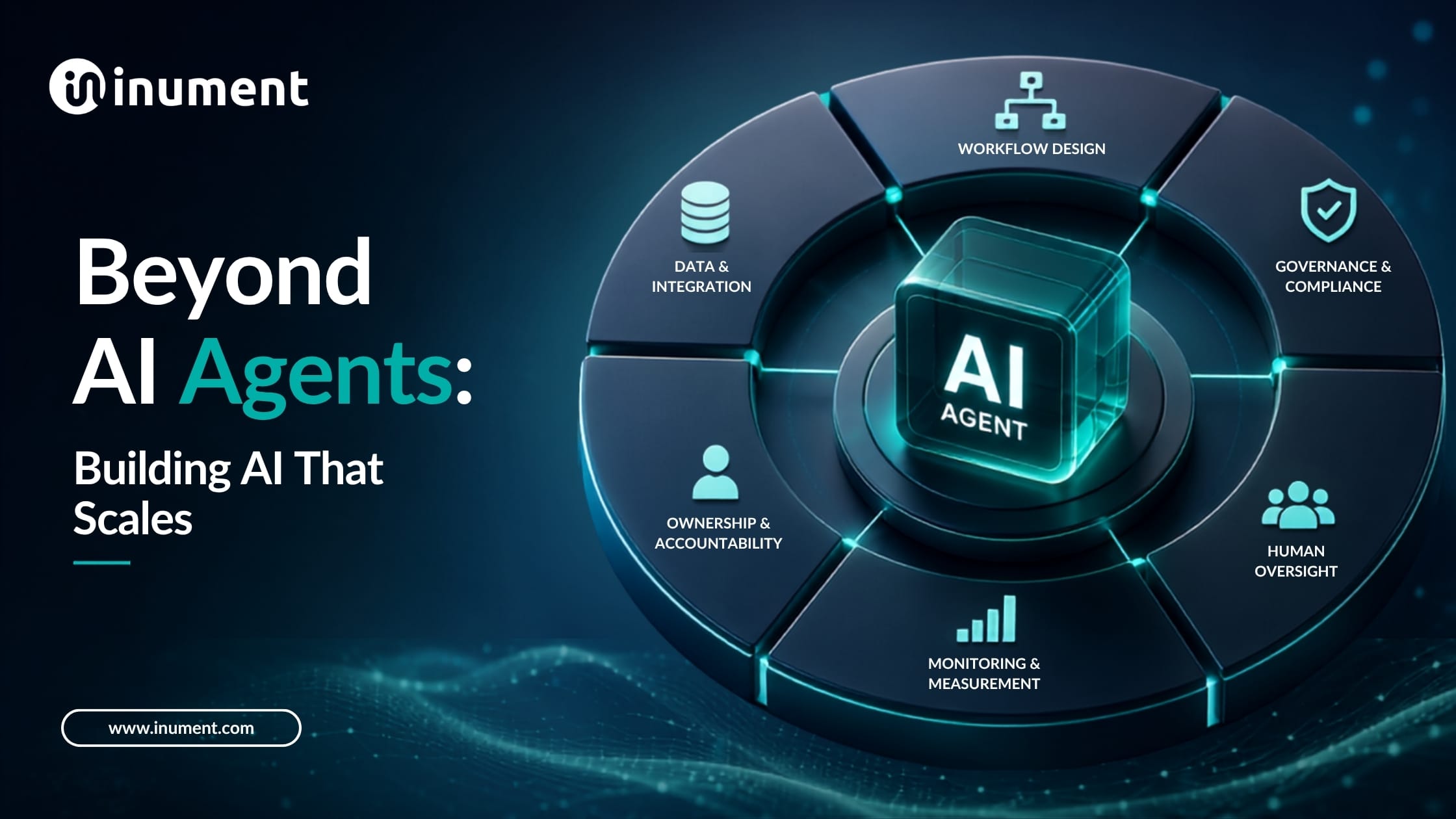
AI agents are no longer the exciting experiment in the corner of the business.
By 2026, many companies have already tested them. Some have built internal copilots. Some have automated parts of customer support, sales, hiring, finance, or operations. Some have connected AI agents to documents, CRMs, analytics tools, and internal systems.
But a hard truth is becoming clear.
Building AI agents is not the same as making AI work at scale.
Many companies can now create an AI agent. Far fewer can turn that agent into a reliable part of the business. The difference is not only technical. It is operational.
An AI agent can answer questions, summarize documents, trigger workflows, and support decisions. But if the workflow around it is unclear, the agent becomes another disconnected tool. People may try it once, lose trust, and return to the old way of working.
That is why the next stage of AI transformation is not just about building more agents.
It is about building the right AI operating model around them.
AI Agents Are Powerful, But They Need Structure
Most AI projects begin with excitement.
A team sees a manual process. They imagine how AI could make it faster. They build an agent to handle part of the work. The demo looks promising. The output feels useful. Everyone agrees there is potential.
Then real operations begin.
The agent does not always know which data source is correct. The business team is not sure who should approve its output. The engineering team is asked to fix edge cases that were never defined. The compliance team wants more visibility. The operations team wants the agent inside the tools they already use.
Slowly, the project loses momentum.
The issue is not always the AI model. In many cases, the model is doing what it was asked to do. The real problem is that no one redesigned the business process around it.
AI agents do not create value simply by existing. They create value when they are placed inside a clear workflow, supported by clean data, connected to business rules, monitored by people, and measured against real outcomes.
This is where an AI operating model becomes essential.
What Is an AI Operating Model?
An AI operating model is the structure that explains how AI works inside the business.
It defines who owns the AI system, where it fits into the workflow, what data it uses, how decisions are reviewed, how errors are handled, and how success is measured.
In simple terms, it answers the questions most AI projects avoid at the beginning.
Who is responsible if the AI output is wrong?
Which team manages the workflow?
Which systems does the AI need to connect with?
What should be automated, and what still needs human review?
How do we know the AI is actually improving the business?
Without these answers, AI implementation becomes fragile. The company may have advanced tools, but the operating structure remains unclear.
That is when AI becomes busy work instead of business value.
A strong AI operating model does not slow innovation down. It gives innovation a path to scale. It helps teams move from isolated experiments to production-ready AI systems that people can trust and use every day.
Why AI Agents Fail Without Workflow Design
One of the biggest mistakes companies make is adding AI to a broken process without changing the process itself.
If a workflow is messy, AI will not automatically fix it. It may even make the problem more visible.
For example, a company may build an AI agent to support sales teams by summarizing leads and recommending follow-ups. On the surface, this sounds useful. But if the CRM data is incomplete, lead ownership is unclear, and sales managers do not trust automated recommendations, the agent will struggle to deliver value.
The problem is not the agent.
The problem is the workflow around the agent.
AI workflow automation works best when the process is clearly mapped before automation begins. The business needs to understand each step, each handoff, each decision point, and each source of friction.
Then AI can be placed where it actually helps.
It can reduce repetitive work. It can speed up review. It can organize evidence. It can recommend next actions. It can support teams without replacing the judgment they still need to apply.
But this only works when the workflow is designed with intention.
Ownership Is the Missing Layer
AI projects often fail because everyone is interested, but no one truly owns the outcome.
The product team may define the use case. The engineering team may build the system. The operations team may use it. The leadership team may expect ROI. But when something goes wrong, ownership becomes unclear.
A strong AI operating model fixes this.
It defines business ownership and technical ownership from the start.
Business owners decide what success looks like. They define the process, the rules, and the acceptable level of risk. Technical owners make sure the system is stable, secure, integrated, and maintainable.
Both sides need to work together.
AI cannot scale if it lives only with the innovation team. It also cannot scale if it is treated only as an engineering task. It needs shared ownership across business, product, operations, data, and technology.
That is how AI moves from a promising demo to a reliable business system.
Clean Data Still Decides the Quality of AI
AI agents are only as useful as the information they can access.
If the data is outdated, duplicated, incomplete, or spread across disconnected systems, the agent will produce weak results. It may sound confident, but confidence is not the same as accuracy.
This is why data readiness is a core part of AI implementation.
Companies need to know which data sources matter, who maintains them, how often they are updated, and what rules control access. They also need to decide what the AI can use, what it should ignore, and what requires human validation.
This does not mean every company needs perfect data before using AI.
It means companies need a practical data strategy around each AI use case.
For some workflows, a limited but clean dataset is better than a large messy one. For others, integration across multiple systems may be necessary. The key is to design the AI system around the reality of the business, not around a perfect version of the business that does not exist.
Human Review Is Not a Weakness
Some companies treat human review as a sign that AI is not advanced enough.
That is the wrong way to think about it.
In many business workflows, human review is exactly what makes AI safe, useful, and trusted. AI can process information quickly. It can detect patterns. It can prepare recommendations. But people still need to make judgment calls, especially when the decision affects customers, employees, revenue, risk, or compliance.
The best AI operating model does not remove humans from every step.
It places humans where their judgment matters most.
This is especially important in areas like hiring, finance, legal operations, healthcare support, enterprise sales, and customer experience. In these workflows, AI should organize the evidence, reduce manual effort, and improve decision quality. But the final responsibility should remain clear.
Human-in-the-loop design is not a temporary phase. It is part of building trustworthy AI systems.
Integration Turns AI From a Tool Into a System
A standalone AI agent may be useful for a small task, but it rarely changes the business on its own.
To create real value, AI must connect with the systems people already use. That may include CRMs, ERPs, HR platforms, ticketing systems, document storage, analytics tools, communication platforms, and internal databases.
This is where many AI projects become difficult.
The demo is simple. The real implementation is not.
A production-ready AI system needs secure APIs, workflow triggers, permission controls, monitoring, fallback logic, and performance tracking. It must handle real users, real data, real exceptions, and real business pressure.
This is why an AI engineering team matters.
AI transformation is not just about choosing the right model or tool. It is about engineering the full system around the model. That includes architecture, integration, security, testing, deployment, and continuous improvement.
Without strong engineering, even a good AI idea can stay stuck in prototype mode.
What a Strong AI Operating Model Should Include
A practical AI operating model should be simple enough for teams to understand and strong enough to support scale.
It should begin with a clear use case. The company needs to know what problem the AI system is solving and why that problem matters.
Then it should define the workflow. The team should map what happens before AI, what AI will do, what happens after AI, and where people need to review or approve the output.
Next, it should define ownership. Business and technical responsibilities must be clear. Someone must own the outcome, not just the tool.
It should also define data rules. The system needs trusted data sources, access controls, update logic, and quality checks.
It should include integration planning. AI must connect with the tools and systems where work already happens.
It should include monitoring. Teams need to track performance, accuracy, usage, errors, and business impact.
Finally, it should include a feedback loop. AI systems should improve over time based on real usage, not assumptions from the first build.
This is how companies move from AI experiments to business automation that actually works.
A Practical Example: From Agent to Operating Model
Imagine a company that wants to use AI to improve customer support.
The first idea may be simple: build an AI agent that answers customer questions.
That may help, but it is not enough.
A better approach starts by looking at the full support workflow. What types of questions come in? Which ones are repetitive? Which ones require human judgment? Where is customer data stored? When should a ticket be escalated? How should the team measure improvement?
Once the workflow is clear, the AI agent can be designed properly.
It may answer simple questions using approved knowledge base content. It may summarize complex tickets before sending them to a human agent. It may detect urgent cases based on customer history. It may suggest responses but requires human approval for sensitive issues. It may update the CRM after a case is resolved.
Now the AI agent is not just a chatbot.
It is part of a support operating model.
The company can measure response time, resolution quality, escalation rate, customer satisfaction, and agent productivity. The support team knows when to trust the AI and when to step in. The engineering team knows how the system is performing. Leadership can see whether the AI investment is creating value.
That is the difference between using AI and operating with AI.
Inument’s Point of View
At Inument, we believe the next phase of AI transformation will be won by companies that combine strong business thinking with strong engineering execution.
AI ideas are easy to discuss. AI agents are easier to build than they were a few years ago. But production-ready AI still requires serious work.
It requires workflow design. It requires system integration. It requires clean architecture. It requires human review points. It requires scalable delivery teams that can move fast without creating fragile systems.
This is where Inument helps companies.
We support businesses that want to move beyond AI experiments and build AI systems that work inside real operations. That may mean designing an AI workflow automation layer, building custom AI agents, integrating AI into existing platforms, or extending an internal team with experienced AI engineers.
The goal is not to chase AI trends.
The goal is to build systems that reduce friction, improve decision-making, and create measurable business value.
That is what production-ready AI should do.
The Companies That Win With AI Will Operate Differently
In 2026, the companies that win with AI will not be the ones testing the highest number of tools.
They will be the ones building the strongest operating models around AI.
They will know where AI fits. They will know who owns it. They will know how data flows. They will know when people review decisions. They will know how systems connect. They will know what success looks like.
AI agents will still matter. But they will not be the full story.
The real advantage will come from turning AI agents into reliable business systems.
So the question for leaders is simple.
Are your AI agents just another set of tools, or are they part of a real AI operating model built to scale?
If the answer is unclear, that is where the next stage of work should begin.
About the Author

Safkat Nirjash
Related Insights

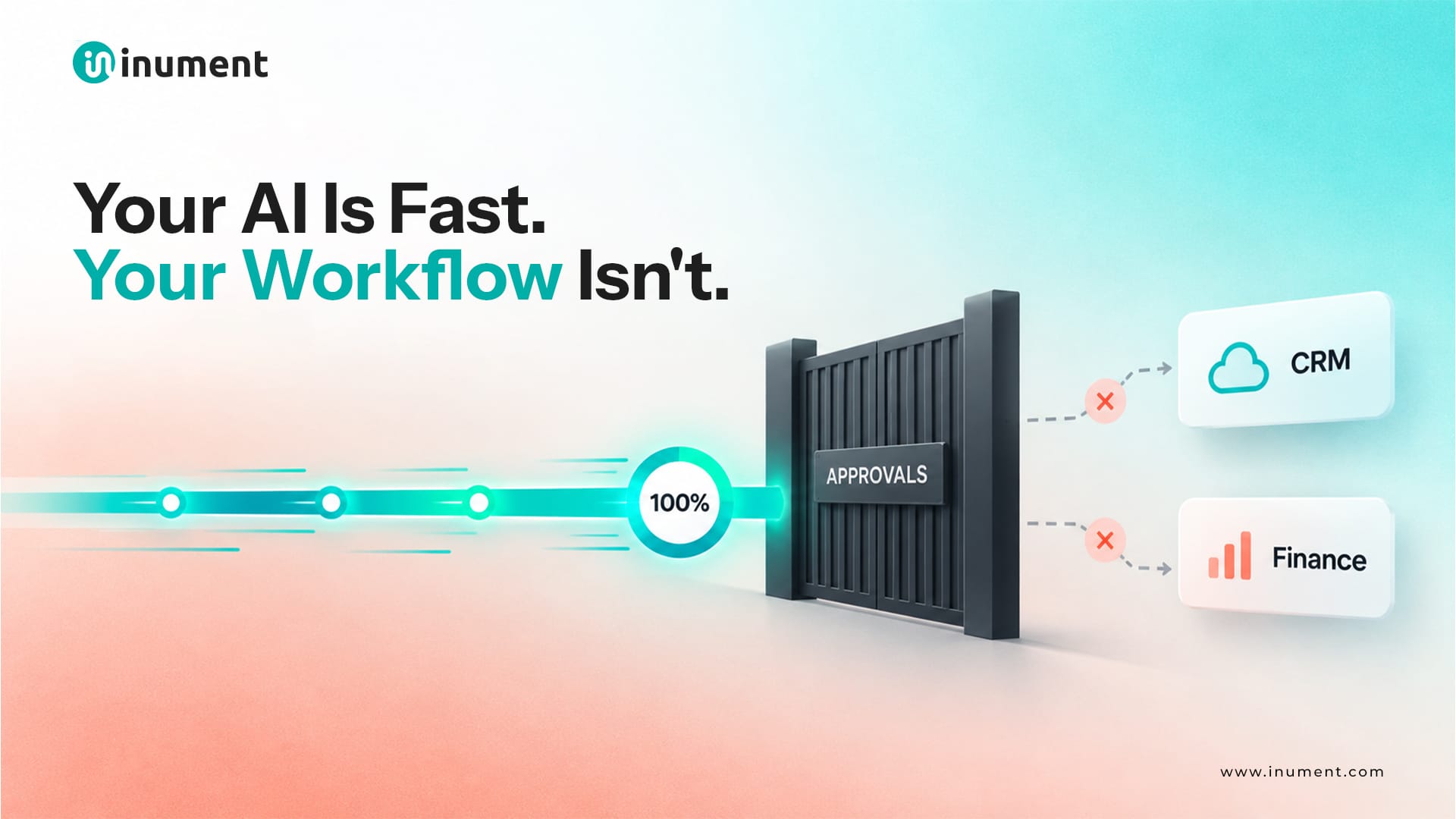
Your AI Is Faster. Why Is Your Business Still Waiting?
13 October 2026

Your Project Doesn’t Need Agile. It Needs the Right Delivery Model
02 October 2026
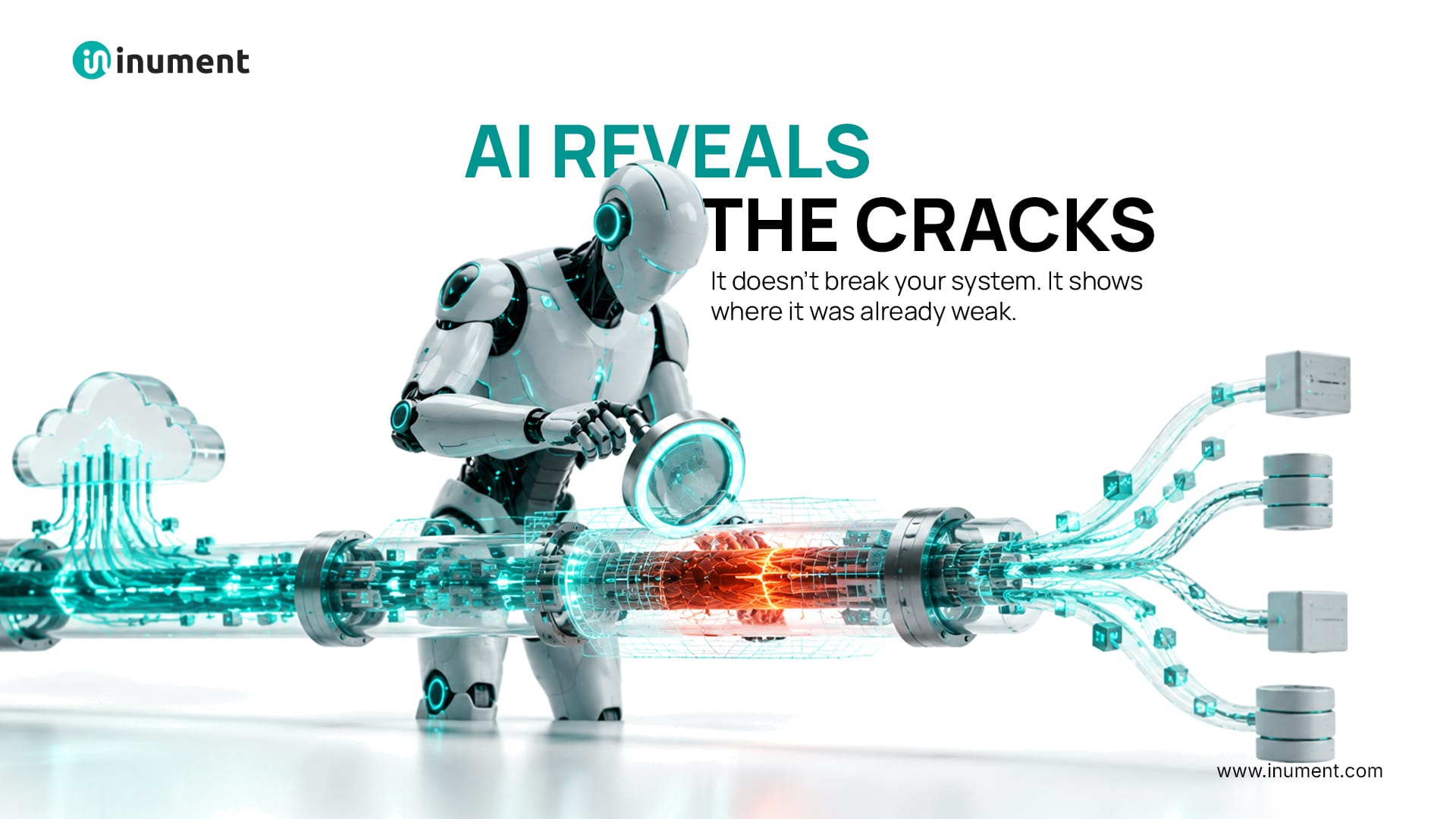
Cloud Didn’t Fix Your Architecture. AI Just Exposed It
24 September 2026
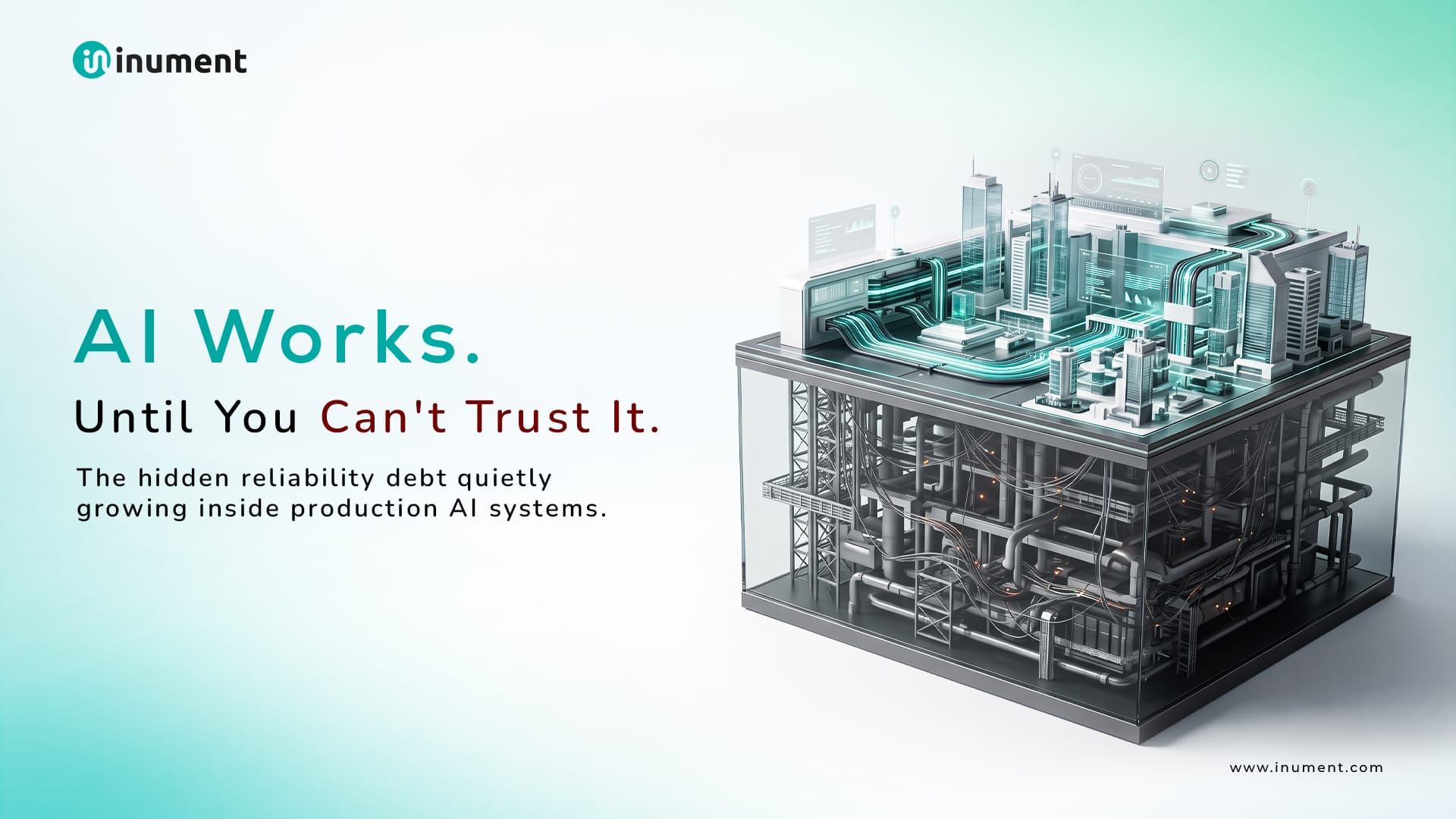
AI Reliability Debt: The Hidden Cost of Production AI Systems
14 September 2026
Quality Assurance Isn’t a Cost. It’s What Stands Between You and a Bad Reputation
07 September 2026
