
 Let’s Talk
 Inument


Let’s be honest: your product is only as good as how it feels in a user’s hands.
You can have brilliant backend logic, sleek APIs, and airtight architecture, but if the UI stutters, buttons misfire, or loading spinners overstay their welcome… users vanish.
That’s why hiring the right React developer isn’t a “nice to have.” It’s mission-critical.
React sits at the heart of modern digital experiences.
Its flexibility lets startups move fast without rewriting code every few months, and its scalability keeps enterprise apps humming smoothly under millions of users.
But here’s the hard truth: Not all React developers are created equal.
Some can only build things that work, but the best React developers are the ones who go beyond that.
They build things that scale, perform, and most importantly; delight users.
Now, how do you find the ideal react developer for your tech startup?
That’s exactly what we’re about to dive into.
This guide aims to act as a hands-on hiring playbook for tech founders and product leaders who know their product deserves that level of craftsmanship.
We’ll walk you through how you can:
- Define what kind of React developer your business really needs.
- Write job descriptions that attract high-performers, not résumé spammers.
- Source, screen, and evaluate candidates effectively.
- Avoid hiring mistakes that quietly burn your budget and timeline.
So, how to hire a React developer that won’t break your product, or your budget?
Let’s dive right in!
Step-By-Step Guide On Hiring A React Developer
Hiring a React developer can feel overwhelming, especially with the growing demand for top-tier talent.
But with the right approach, you can streamline the process and attract developers who not only know React but can truly elevate your product.
In this step-by-step guide, we’ll walk you through the essentials: from defining your needs and crafting a compelling job description to screening candidates and ensuring a cultural fit.
Whether you’re a startup looking to scale fast or an enterprise aiming for performance, this guide will help you hire the perfect React developer for your team.
Let’s dive right in!
Step 1: Define What Kind of React Developer You Need
Your project’s size, stage, and tech stack directly shape the kind of React developer you should hire.
Before you start posting job listings, it’s crucial to define exactly what type of React developer your business needs.
React developers come in different specializations, and knowing what you’re looking for will help you avoid wasting time on mismatches.
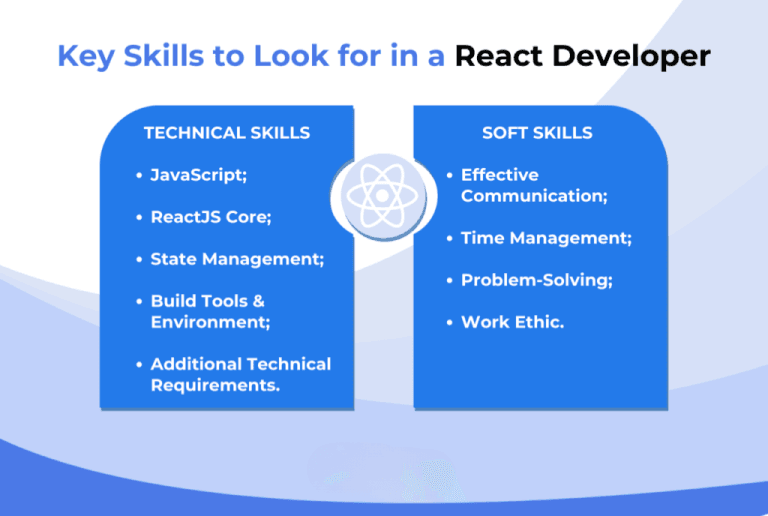
It’ll also attract the right candidates for the role. Ask yourself the following questions:
- What’s your tech stack? If you’re using technologies like Redux, TypeScript, or GraphQL, look for developers experienced with those tools.
- What’s the scope of the project? Are you looking for someone to build a standalone front-end app, or do you need a full-stack developer who can also handle the back-end?
- What stage is your product at? If you’re in the early stages, you may need someone versatile who can wear multiple hats. If you’re scaling, you’ll need someone focused on performance and optimization.
Before hiring, define measurable success outcomes such as reducing page load time, improving UX scores, or achieving specific performance benchmarks.
Because; what gets measured, gets improved.
Step 2: Craft a Compelling Job Description
Now that you know exactly what you’re looking for, it’s time to create a job description that not only highlights the required skills but also attracts the right talent.
A well-crafted job description does more than just list skills—
It should make candidates excited about the opportunity to work with you.
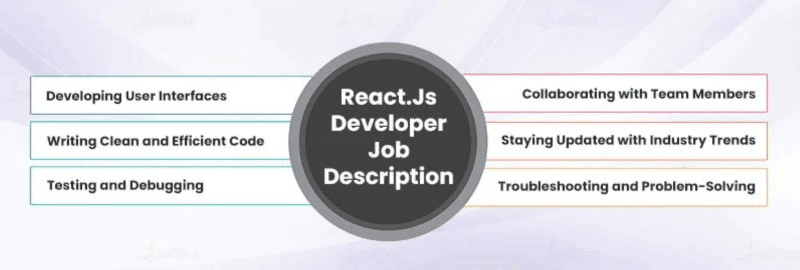
Your job description should include:
- Role Overview: A brief introduction to your company and the impact this role will have on the product.
- Responsibilities: Clear tasks like building UI components, integrating APIs, optimizing performance, etc.
- Required Skills: Specific technologies like React, Redux, TypeScript, or GraphQL.
- Culture Fit: What kind of work environment do you have? Highlight whether it’s fast-paced, collaborative, or remote-first.
- Growth Opportunities: Developers are always looking to grow, so mention career progression, skill development, or leadership opportunities.
Make sure your job description speaks to both technical and personal growth.
Talented developers want to feel like they’re building something meaningful and advancing in their careers.
Also, mention real impact (“build features used by 10K+ daily users”) to attract top talent.
Step 3: Source Candidates the Smart Way
With your job description ready, it’s time to start sourcing candidates. Finding the right React developer isn’t just about posting a job and hoping the right person applies.
It’s about proactively seeking out talent in the places where developers are most active.
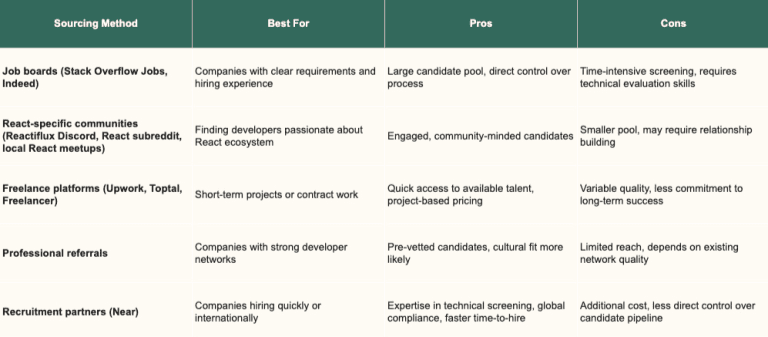
Here are some effective places to source React developers:
- Developer Communities: Platforms like GitHub, Stack Overflow, and Reactiflux are hubs for React developers. Many contribute to open-source projects, so you can see their work firsthand.
- Job Boards: LinkedIn, Indeed, and Glassdoor are great for posting open roles, but you can also actively search for profiles that match your requirements.
- Referrals: Reach out to your network — whether it’s colleagues, previous employees, or fellow entrepreneurs. Often, great candidates come through personal recommendations
- Recruitment Agencies: If you’re in for a more reliable approach, partnering with a recruitment agency specializing in tech can help you find candidates quickly.
If time is of the essence, IT staff augmentation can be a faster, lower-risk option.
By partnering with firms like Inument, you can quickly access pre-vetted React developers who are ready to integrate with your team immediately, saving you months of sourcing and screening.
By sourcing from multiple channels, you increase your chances of finding a React developer who truly matches your needs.
And if you’re looking for a reliable partner to streamline the process, Inument is here to help connect you with top-tier talent.
Step 4: Screen Applicants to Find the Best Fit
Once you start receiving applications, it’s time to dig deeper.
A React developer’s resume can look impressive on paper, but the real test is whether they can apply their knowledge to solve real-world problems.
Remember, a bad hire doesn’t just cost you time; it can drain resources, delay product launches, and lower team morale.
The longer you wait to address a mismatch, the more costly it becomes.
Here’s how to effectively screen your candidates:
- Technical Challenges: Provide coding challenges that test core React concepts like state management, lifecycle methods, and performance optimization. You could ask them to build a small app or component that demonstrates their proficiency with hooks, context, and API integration.
- Code Review: Ask candidates to walk you through a piece of code they’ve written in the past. This gives you insight into their coding style, problem-solving process, and their ability to communicate complex ideas clearly.
- Behavioral Questions: Use situational questions to assess their approach to problem-solving. For instance, ask, “How would you optimize an app that’s experiencing slow load times?” This helps you gauge their practical knowledge and creative thinking.
- Soft Skills: Don’t forget to assess their communication skills. A great React developer not only writes clean, efficient code but also works well in a team, is receptive to feedback, and can explain technical concepts in simple terms.
- Cultural Fit: Assess whether the candidate aligns with your company’s values and work style. Ask questions like, “How do you typically handle tight deadlines?” or “Tell us about a time you had to give or receive constructive feedback.”
A solid technical screening ensures you’re not just hiring a developer who can code, but one who can solve problems, work efficiently, and communicate effectively.
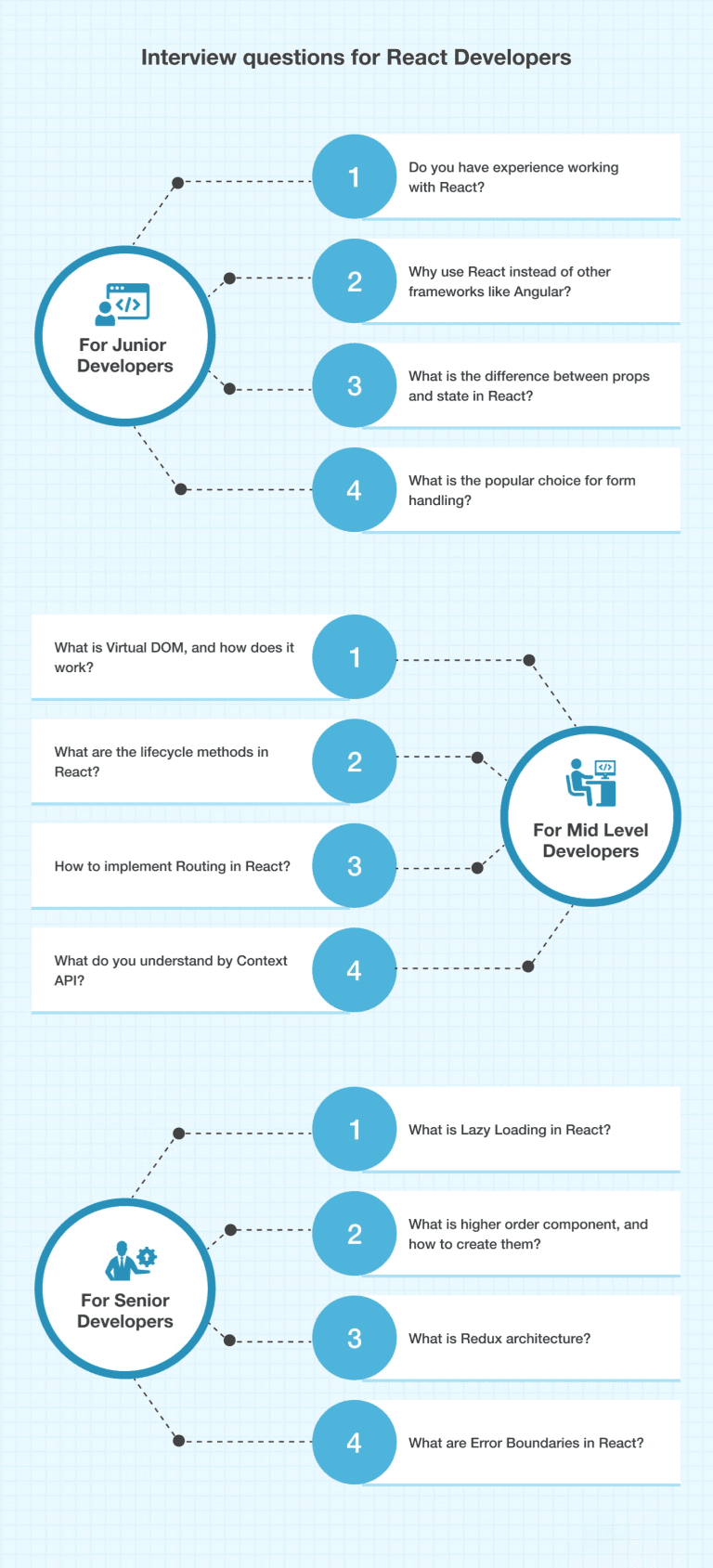
It also reduces the risk of bringing someone on who ultimately isn’t the right fit for your product or culture.
So, test for curiosity, not just competency.
Step 5: Final Onboarding
You’ve found the perfect React developer. Now it’s time to bring them onboard and set them up for success.
A smooth onboarding process ensures that the developer integrates quickly, feels part of the team, and starts contributing immediately.
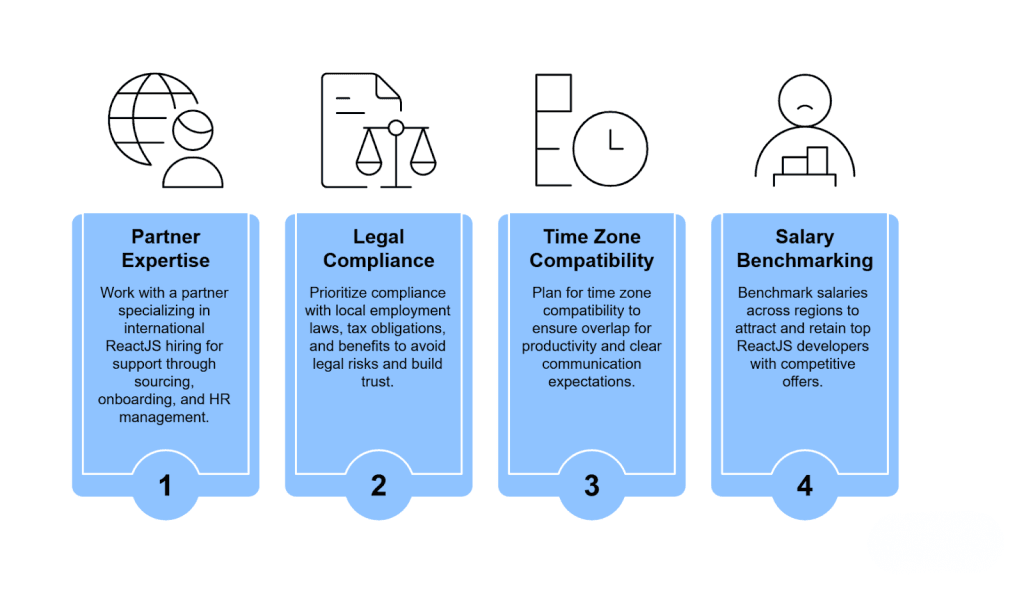
Here’s how to effectively onboard the new React developer you hired:
- Welcome Package and Introduction: Start with a warm welcome. Introduce them to the team, share your company’s mission and values, and outline your product vision. This helps them understand the bigger picture and how their work fits into the overall strategy.
- Tools and Access: Make sure your new developer has access to all the necessary tools from day one: version control systems (like Git), project management tools (Jira, Trello), and any other internal documentation or resources. This will allow them to hit the ground running without delays.
- Mentorship and Support: Assign a mentor or go-to team member who can provide guidance during the initial weeks. This helps the new hire feel supported and gives them someone to turn to with questions.
- Clear Expectations: Set clear goals for the first 30, 60, and 90 days. For example, in the first 30 days, the developer might focus on understanding the codebase and completing smaller tasks, while later milestones involve taking on more complex features and optimizations.
- Continuous Feedback: Keep the lines of communication open. Provide regular feedback, celebrate wins, and offer constructive criticism when necessary. Regular check-ins (especially in the first few months) will help ensure they stay on track and feel valued.
A strong onboarding process ensures your new React developer is set up for success, accelerates their ramp-up time, and helps them feel engaged and motivated to contribute.
The Reason Businesses Are Choosing React
When you think about modern web and mobile apps, chances are high that React is at the heart of them. From Meta and Netflix to Shopify and Airbnb, it’s what makes apps feel snappy, intuitive, and alive.
But why is it so popular?
And why are businesses across industries betting on it to power their most critical applications?
Let’s explore:
1. Flexibility to Move Fast
One of React’s biggest advantages is its flexibility, especially for startups. Building a new product often means iterating quickly based on user feedback.
With React, developers can make changes and improvements rapidly without overhauling the entire codebase.
For example, Facebook, the creator of React, used it to revamp its entire interface, allowing engineers to quickly roll out new features without disrupting the user experience.
For startups, this is especially a game-changer. You can test new features, collect data, and pivot as needed, all without a massive rewrite.
If your business needs to innovate fast and frequently, React’s flexibility is your friend.
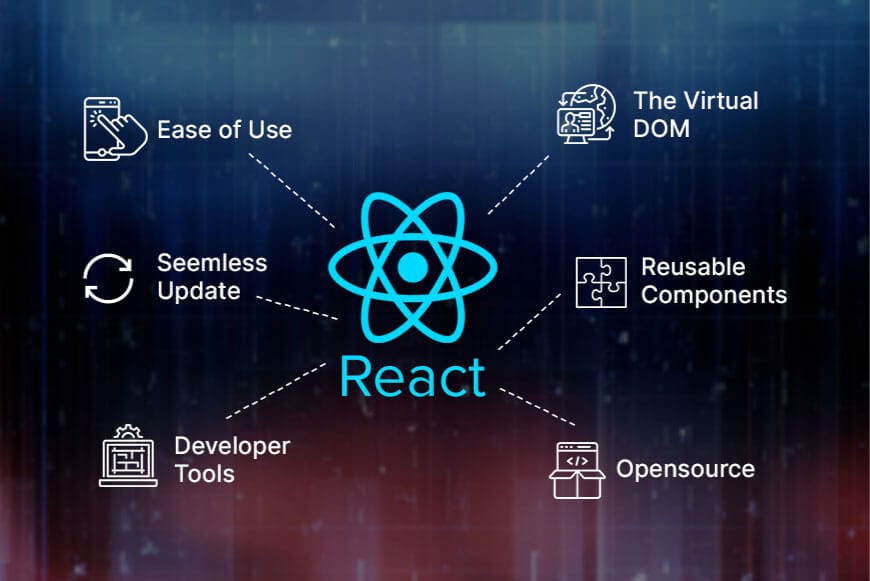
2. Scalability for Growth
As your startup grows, your application needs to scale with it. React shines here too, thanks to its component-based architecture.
Each component in React is like a Lego piece: small, reusable, and easy to update without affecting other parts of the app.
This makes scaling apps much easier and more manageable, as you can simply plug in new components as needed.
On the flip side, enterprise applications that rely on heavy traffic or complex systems can benefit from React’s ability to scale without sacrificing performance.
Instagram is a prime example: as a platform that handles millions of users, React’s virtual DOM and optimized rendering ensure it runs smoothly, no matter how many people are online.
React can support your growth at every stage; from MVP to millions of users, by making scaling as simple as adding new components.
3. Reusability and Code Efficiency
React encourages developers to build reusable components. Once you’ve built a component for your app, you can use it in multiple places without rewriting code.
This reusability not only speeds up development but also leads to cleaner, more maintainable code in the long run.
For example, an e-commerce app could have a product card component that can be used across multiple pages, saving valuable time for developers.
Instead of duplicating code, React allows you to simply call the same component when needed, which means faster updates, fewer bugs, and more efficient use of resources.
By reusing components, React makes development more efficient, saving time, cutting costs, and improving consistency across your app.
4. Strong Developer Community and Ecosystem
When you choose React, you’re not just choosing a tool; you’re tapping into a massive, active community.
With thousands of open-source libraries, frameworks, and pre-built components, React developers have a wealth of resources to draw from.
Whether you’re building an app that needs a specific feature (like a chat widget or payment integration) or optimizing performance, React’s ecosystem has probably got you covered.
And, if something doesn’t exist yet, the community will likely build it in no time.
React’s vast ecosystem and active community ensure you’ll never run into a roadblock. Solutions are always just around the corner.
5. Fast Performance with Virtual DOM
React’s Virtual DOM is one of its standout features. It acts as a lightweight copy of the real DOM, allowing React to quickly determine which parts of the UI need to be updated.
By only updating the changed components instead of re-rendering the entire page, React drastically improves performance, especially in apps with complex UIs.
Take Netflix for example. React is behind its fast, fluid interface. Even with vast amounts of data being fetched and displayed, the app remains responsive and quick.
React’s Virtual DOM makes it ideal for high-performance applications that need to stay responsive even under heavy traffic.
6. Better Developer Experience
Finally, React makes life easier for developers. With features like JSX (JavaScript XML), developers can write UI code that looks very similar to HTML, making the development process more intuitive.
The framework’s dev tools and debugging support also make identifying and fixing issues a breeze.
For businesses, this means you can expect faster development times and smoother collaboration between frontend and backend teams.
React’s developer-friendly approach leads to fewer bottlenecks and quicker time-to-market.
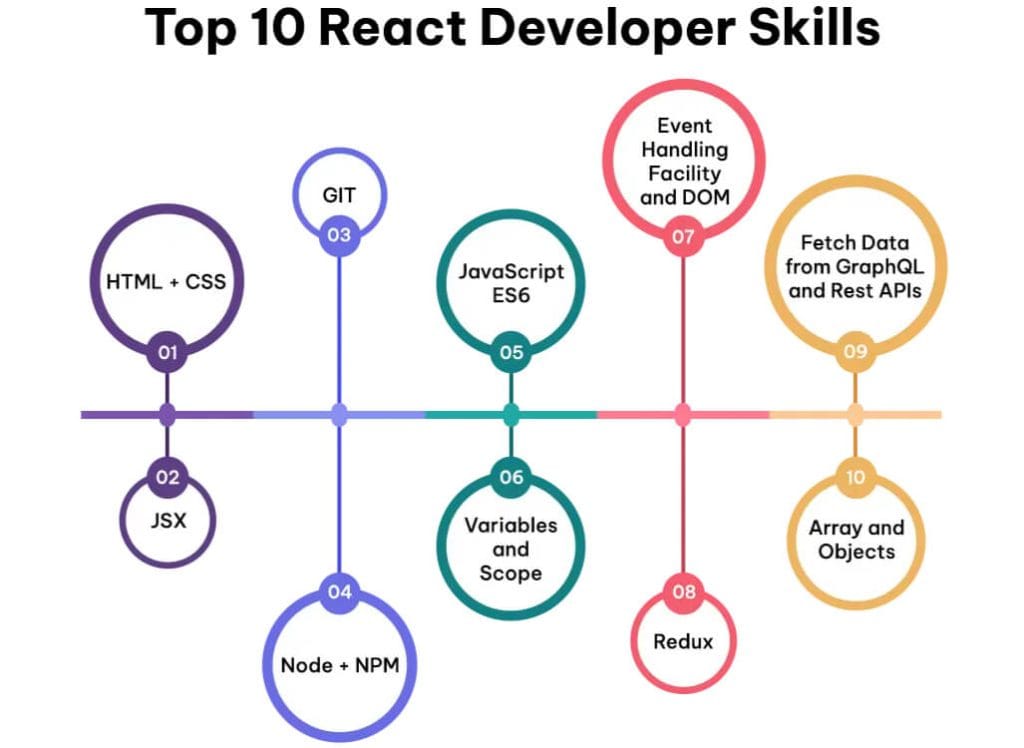
A better developer experience means faster product iteration, better code quality, and more predictable delivery timelines.
To sum up: React isn’t just a fad; it’s a framework that gives businesses the power to innovate quickly, scale efficiently, and deliver exceptional user experiences.
Choosing React means you’re not just investing in a technology. You’re investing in faster iterations, better scalability, and happier users
Common Hiring Pitfalls to Avoid
Hiring the right React developer is no small feat, and while the process can be streamlined, there are several common pitfalls that can derail even the most carefully planned search.
Here’s what to watch out for:
- Don’t overemphasize React-specific knowledge — focus on fundamental programming skills, problem-solving, and adaptability to new tools.
- Soft skills matter just as much as technical skills — communication and collaboration are key to a developer’s success within your team.
- Real-world coding challenges > algorithmic puzzles — test candidates with tasks that mirror the work they’ll actually be doing.
- Cultural fit is crucial — a great developer who clashes with your team will disrupt more than they contribute.
- Avoid rushing the hiring process — the best talent may take time to find, and haste leads to costly mismatches.
- Don’t skip trial periods — a trial phase reveals how a developer adapts to your workflow and tackles real-world problems.
- Assess for long-term impact — don’t just hire for today’s tasks; ensure the developer’s growth aligns with your product’s future needs.
- Prioritize team dynamics over technical perfection — a perfect coder without the ability to work collaboratively will slow down progress.
- Be wary of hiring out of desperation — React developers are in demand, but hiring out of urgency often leads to regrets.
- Always test for scalability — ensure the developer can not only build but scale and optimize as your user base grows.
Avoiding these common hiring pitfalls ensures you attract not only the best technical talent but developers who will integrate smoothly into your team and help propel your product’s success.
How Much Does it Cost to Hire a React Developer?
The cost of hiring a React developer varies widely based on several factors, including their experience level, location, and the complexity of the project.
Here’s a breakdown of what you can expect:
1. Experience Level
- Junior (0-2 years): Typically, they are just starting out and may require more training and oversight. Expect to pay around $40,000 to $60,000/year for full-time roles.
- Mid-Level (2-5 years): These developers have gained significant experience and can work independently on most tasks. Salaries typically range from $60,000 to $90,000/year.
- Senior (5+ years): Experienced developers who can architect complex applications and lead teams. Their rates can vary from $90,000 to $130,000/year or more, depending on location and company size.
2. Location
- North America & Western Europe: These regions tend to have higher salaries, with $100,000 to $150,000/year for senior developers.
- Eastern Europe & Latin America: Costs here are often more competitive, with rates ranging from $40,000 to $80,000/year for mid-level developers.
- Asia & Africa: Hiring in these regions can be much more affordable, with rates for developers typically ranging between $20,000 to $50,000/year, depending on the country.
3. Hiring Method
- Full-Time Employment: In addition to the base salary, you’ll need to account for benefits, bonuses, and any other perks. This can increase the total cost by 25%-40% beyond the base salary.
- Freelancers: Freelance React developers typically charge $30 to $100 per hour, depending on experience and expertise. Keep in mind that freelancers may have limited availability, and their rates could fluctuate.
- Staff Augmentation: With staff augmentation, you get pre-vetted, skilled developers without the long recruitment process. Prices for augmentation services vary based on the country and the developer’s expertise but are often more cost-effective than traditional hiring, especially when you factor in the time saved.
4. Project Complexity
The more complex the project, the higher the cost. Projects requiring advanced React features like server-side rendering (SSR) with Next.js, Redux, or integration with complex APIs will require a more seasoned developer, thus increasing the rate.
While React developer costs vary, the key is to align your budget with your project’s needs and the expertise required.
Whether you hire full-time, freelance, or through staff augmentation, make sure you’re getting value for the investment, and consider both short-term needs and long-term growth potential.
The Inument Way of Building Reliable Frontend Teams
Front-end hiring becomes easier when you have a partner who understands both engineering and execution.
Inument gives you access to vetted frontend developers who know how to ship clean, stable, production ready interfaces.
You get people who write readable code, communicate well with designers and backend teams, and move fast without breaking the foundation of your product.
Our engineers are trained on modern stacks like React, Vue, and Angular, along with strong fundamentals in JavaScript, performance tuning, accessibility, and responsive design.
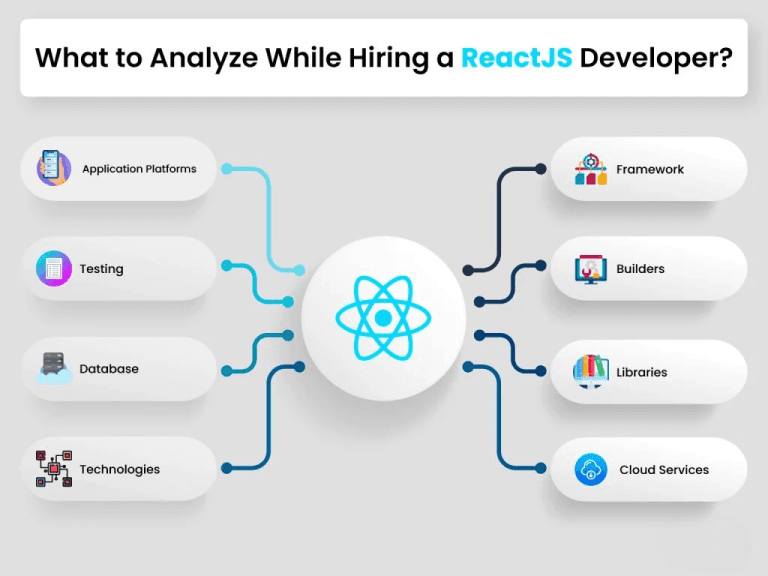
Each developer goes through a hands-on screening process focused on real projects, not theory. This means you avoid mismatches, slow starters, and hidden skill gaps.
Inument also helps you scale safely. Whether you are building an MVP or extending an enterprise level platform, you get engineers who fit your culture, follow your workflow, and start contributing quickly.
No fire drills, no onboarding chaos, just steady delivery from people who know what they are doing.
If you want a frontend team that makes your product look good and work even better, Inument gives you a reliable way to build it.
Wrapping Up: Hire Smart, Build Better
Hiring a React developer doesn’t have to be a daunting task. With the right approach, you can build a frontend team that will not only meet but exceed your product’s needs.
At the end of the day, your product’s success hinges on the team you build, and that includes hiring the right React developer.
Finding a talented developer who not only understands React but is also aligned with your company culture and product goals can make all the difference in creating a high-performance, user-friendly product.
At Inument, we specialize in helping tech entrepreneurs find and onboard top-tier React developers who can hit the ground running and help drive your product forward.
We’re here to help streamline the process and ensure you’re making the right investment in talent.
Need pre-vetted React developers who can start fast and scale your product?
Talk to Inument today. We build teams that build your future.
About The Author

Zahir Rahat
Related Insights


How AI-Driven Platforms are Redefining creating Intelligence.
19 March 2026

The Secret Behind Why Startups and Enterprises Prefer React JS
30 December 2025

AI/ML Engineer Hiring Guide: How to Find Engineers Who Actually Understand Your Data
23 December 2025

Smart Strategies for Hiring Top-Tier Tech Staff in Singapore
17 December 2025

Nearshore vs Offshore Outsourcing: How to Make the Best Choice for Your Business
10 December 2025
