
 Let’s Talk
 Inument


Hiring the right developer in Singapore sounds simple until you actually try it.
In a market where every startup at One North is fighting for the same engineers as the big boys in Marina Bay, finding someone who can actually deliver is harder than choosing the right chicken rice stall at Maxwell!
Whether you run a lean startup in Block 71 or an enterprise team in the CBD, the quality of your tech staff decides how quickly you can build, adapt, and stay competitive.
Hiring great developers is the difference between shipping a fast, secure product and spending your nights debugging production issues with iced kopi at 2 a.m.
A bad hire hurts more than people admit. Missed deadlines, sloppy code, broken features, and a team that quietly loses confidence. Budget balloons. Morale dips.
To help you navigate this maze, this article aims to give you a clear, practical look at how to avoid those costly mistakes, how to hire top tier tech staff in Singapore that actually strengthens your team, and a few reality checks along the way.
You will see why local hiring feels challenging, how to spot the early signs of a mismatch, and what smart founders in Singapore are doing to build a high performing engineering team without breaking their budget or sanity.
Without any further ado, let’s jump right in!
Why Great Tech Talent Matters in Singapore
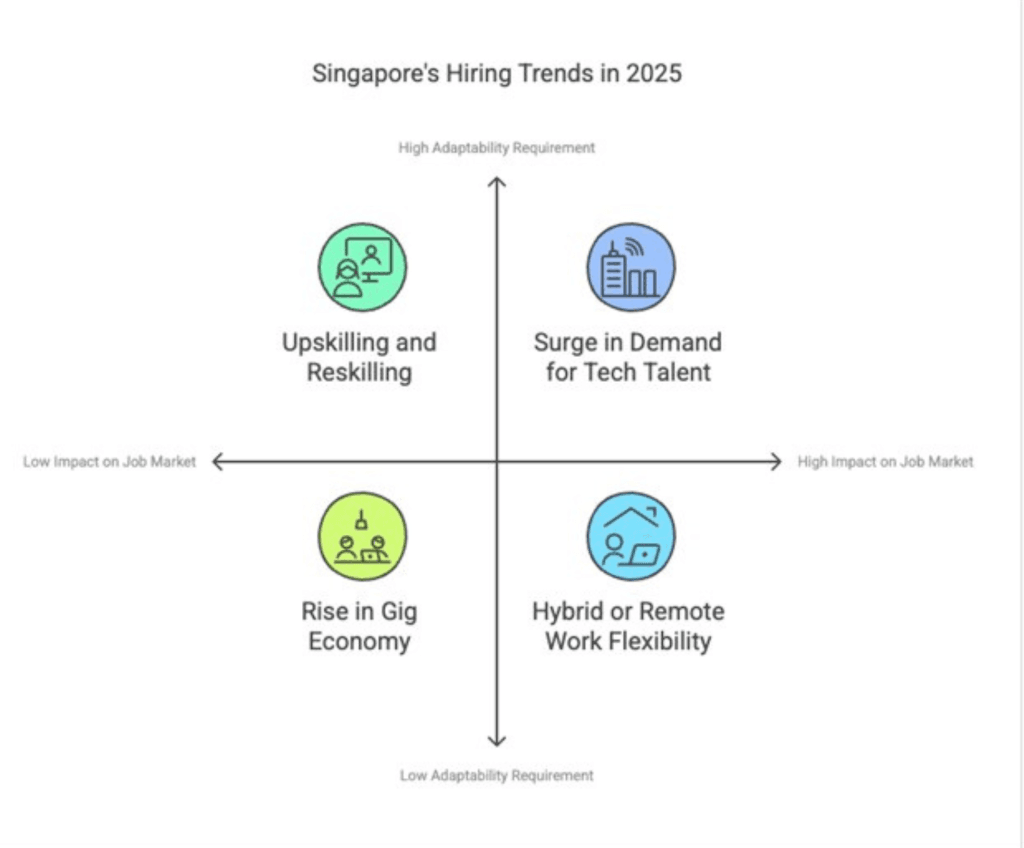
Great developers matter everywhere, but in Singapore it hits differently. Hiring tech talent in Singapore feels like competing with Big Tech on “hardcore mode”.
Whether you want to launch new features, modernize your legacy systems without breaking compliance, or ensure security while still shipping updates on time; you’ll need reliable tech talent that can comfortably juggle multiple hats.
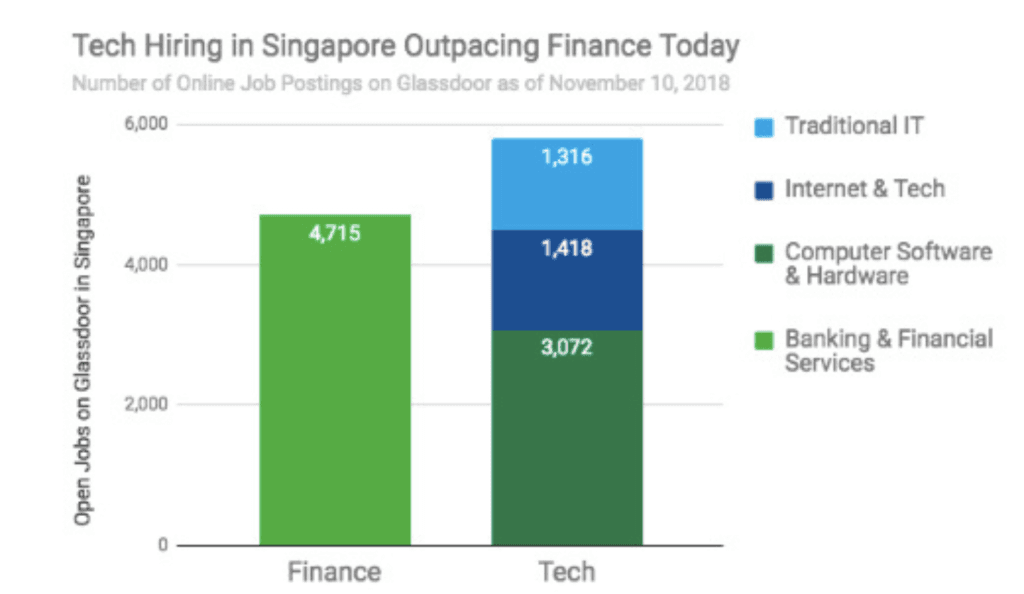
Every sector relies on developers who can write clean code, solve problems without drama, and work well in hybrid teams spread across Singapore, Malaysia, and the region.
Strong engineers shorten your release cycles, keep your platform stable, and help you innovate without turning your system into a fragile mess.
They also make onboarding easier, reduce downtime, and lift the quality bar for everyone on the team.
Ultimately, when you hire well —
- Your product feels smoother,
- Your users stay longer, and
- Your team stops firefighting long enough to build something meaningful.
The reverse is especially painful here. Singapore is small, the market is competitive, and a single shaky engineer can slow your entire roadmap.
If your developers are slow, careless, or constantly stuck, your product will feel it immediately. In a market as tight as Singapore, slow execution hurts more than anything else.
That’s why hiring top tier talent isn’t just nice-to-have. It is how you maintain speed, reliability, and reputation in one of Asia’s fastest moving tech hubs.
The Hidden Cost of a Bad Tech Hire
A bad tech hire feels cheap at first, then quietly becomes the most expensive line item in your roadmap. They rarely look dangerous on day one.
Everything seems okay, they say the right things, and convince yourself that the gaps you noticed will “sort themselves out”.
But in Singapore’s fast moving tech scene, that tiny doubt can grow into a full blown operational headache even faster than you can finish your second kopi of the day.
Here’s the honest truth: A weak engineer doesn’t just write bad code. They slow everything around them.
- Your sprints drag.
- Senior devs quietly start doing double work.
- Managers get pulled into unnecessary reviews.
- Features that used to run smoothly break at the worst possible time.
- Your product accumulates technical debt faster than you can clear it.
The End Result? You begin spending more hours fixing yesterday’s issues than building tomorrow’s product. It feels small at first, then suddenly your entire roadmap is off by a month, or even more!
And the bill for this always piles up. You lose time, money, and momentum. Instead of shipping an MVP that impresses investors, you end up patching bugs that should never have existed.
Instead of preparing a major release for your enterprise clients, your team is stuck debating why the API integration failed again. It is not just inefficient. It is demoralizing.
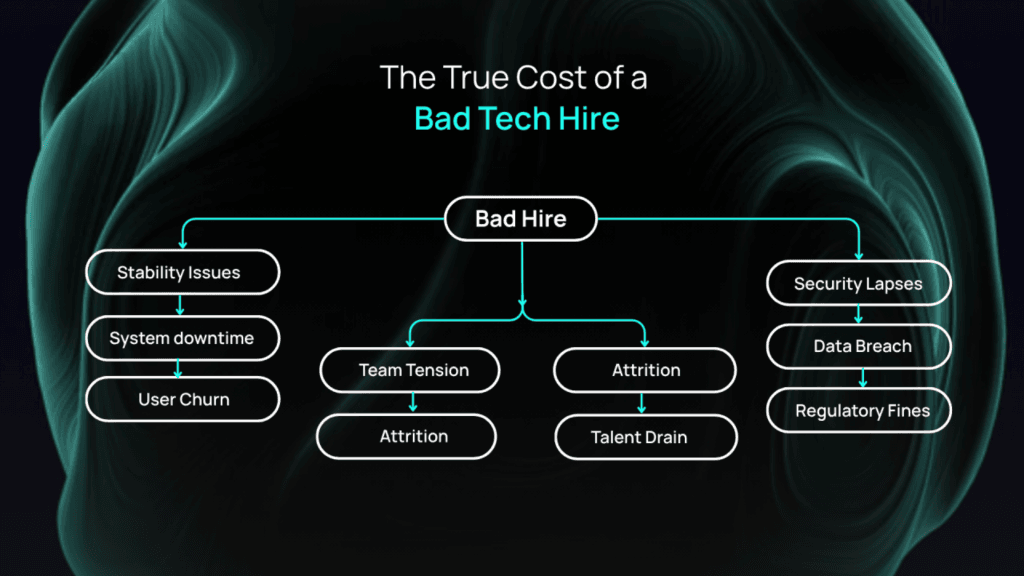
Another part founders rarely talk about is the morale drop. Good engineers hate cleaning up avoidable messes. They get frustrated, they lose trust, and soon your best people start updating their LinkedIn profiles.
This is why Singapore founders and CTOs need a sharper hiring process. Not stricter, just smarter. The right filters, realistic expectations, short project based tests, and clear communication can save you from months of damage control.
The fix is simpler than you think. Stop panic-hiring. Slow down just enough to define the role clearly, run a focused practical test, and check how candidates think, not just what they claim on paper.
A bit of structure saves you from months of cleanup later.
Smart Hiring Strategies That Actually Work in Singapore
Smart hiring in Singapore is less about luck and more about using the right playbook.
With every company from fintech firms to AI startups fighting for the same pool of engineers, you cannot afford a hiring process built on gut feeling and kopi shop optimism.
You need strategies that cut through noise, reduce guesswork, and help you spot real talent before someone else snaps them up.
The good news is that effective hiring does not require complicated frameworks or endless interview rounds. A few targeted, practical steps can help you find developers who actually deliver, communicate well, and fit your team without creating drama.
Now let’s break down the strategies that work, especially for Singapore startups and enterprises who want strong engineers without burning their runway.
Here are some best practices for hiring tech talent in Singapore we recommend our clients:
1. Define Roles Around Outcomes, Not Buzzwords
Most Singapore founders make the same mistake when hiring developers. They write job descriptions packed with tools, frameworks, and every buzzword they have seen on LinkedIn.
The result looks impressive, but it attracts the wrong crowd. You get applicants who know the keywords, not the work.
A smarter approach is to define the role based on outcomes.
Ask yourself: What do you actually need this engineer to achieve in the next three to six months?
- Ship an MVP?
- Stabilize a legacy system?
- Improve page load speed so your users are not abandoning the app halfway through a transaction?
Each outcome demands a different skill profile.
When you anchor the role to real business goals, the must haves and nice to haves fall into place on their own.
If you are building a fast moving MVP in One North, you want someone who can make decisions quickly, prototype without drama, and work across the stack.
If you are hiring for an enterprise platform in Marina Bay, you need a developer who values stability, documentation, and long term maintainability.
This shift sounds simple, but it changes who applies and who stands out. You stop chasing “unicorns” and start attracting engineers who know how to deliver impact in real conditions.
And in a competitive market like Singapore, clarity is your first tactical advantage.
2. Keep the Interview Process Lean and Real
A bloated interview process is one of the fastest ways to lose good candidates in Singapore. Engineers here have options, and if your hiring flow feels longer than the queue at Tiong Bahru Bakery on a Sunday morning, they will quietly disappear.
A lean, realistic process respects everyone’s time and gives you clearer signals. Skip the academic puzzles and trick questions that no one uses outside a coding bootcamp.
Instead, test candidates with the kind of work they will actually do on your team.
For instance,
- A small UI tweak.
- A backend endpoint.
- A debugging exercise. or
- A short refactor.
Thirty minutes of real tasks will tell you more than three rounds of theory.
Pay close attention to how they explain their decisions. In Singapore’s hybrid teams, communication is not optional. You want someone who can break down complex problems clearly, collaborate across Slack and Jira without confusion, and hold their own in discussions with designers, PMs, and DevOps.
Also move fast. If you find someone strong, do not let them sit in limbo while you gather everyone for a “final alignment meeting”. The best engineers are off the market quicker than a Nasi Lemak set disappearing at 8 a.m.
A simple, practical interview process helps you see real ability, avoids time wasting, and shows candidates that your team values clarity and efficiency. And in Singapore’s talent market, that is how you stay competitive.
3. Use Tech Staff Augmentation Wisely
In Singapore, IT staff augmentation is not a shortcut. It is a strategy. When used well, it gives startups and enterprises the flexibility to scale fast without lowering their standards or blowing their budget at Raffles Place.
On the flip side, use it poorly and it becomes the hiring version of ordering mala at level 10 heat, thinking you can handle it, and regretting everything five minutes later.
The key is knowing when augmentation actually makes sense, and when it doesn’t.
If your in-house team is stretched thin, if you are racing toward a release, or if you need niche skills like DevOps or AI engineering that are hard to find locally, a strong augmentation partner can save you months of hiring cycles.
You get experienced engineers who can integrate into your workflow, follow your processes, and deliver without the usual onboarding drag.
But here is where many Singapore founders slip: They treat augmentation like outsourcing.
- Random rotating developers,
- No ownership,
- No stability, and
- No visibility.
That is how projects go sideways fast.
The smart move is choosing a partner (Like Inument) that provides dedicated engineers, not a revolving bench. You want people who become part of your daily standups, collaborate with your team, and stay long enough to understand your product deeply.
Clear overlap hours, strong communication habits, and consistent delivery should be non negotiable.
Used correctly, staff augmentation does more than fill headcount. It gives you breathing room, reduces hiring risk, and keeps your engineering momentum steady even when local hiring gets tough.
It is how many Singapore companies scale without burning out their core team or waiting endlessly for “the perfect hire” to appear on LinkedIn.
Smart Budgeting Without Breaking Quality
Hiring tech talent is expensive, and every founder eventually feels the tension between staying within budget and hiring someone who can actually deliver.
If you chase the lowest cost, you often end up paying more later in rewrites, missed deadlines, and technical debt that drags down your entire roadmap.
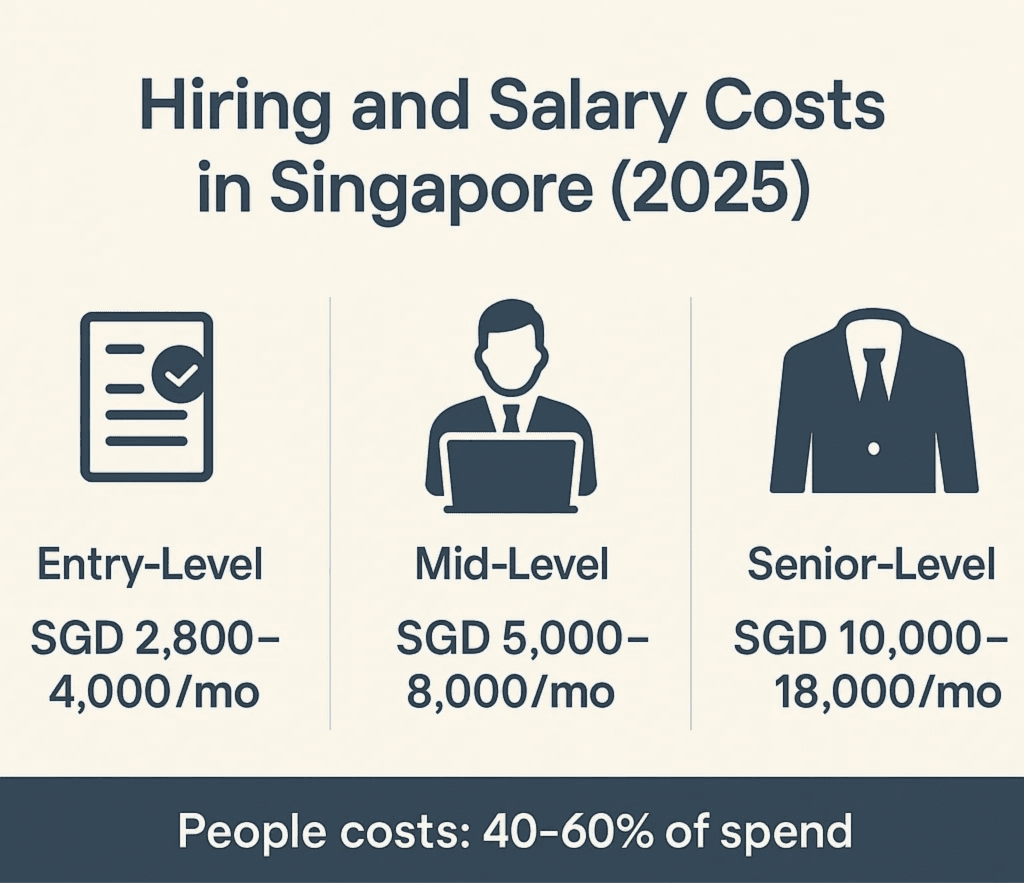
If you overspend, on the other hand; you burn the runway faster than your product can grow.
The goal is not to hire cheap, it’s to hire smart. You want a budgeting approach that protects quality without stretching your financial limits.
It starts by understanding the difference between cost and value. A strong engineer who ships clean, reliable work saves you weeks. A weak hire creates months of overhead.
Let’s break down how to budget wisely without compromising the talent you bring in:
- Hire for outcomes, not tool lists. Define what the engineer must deliver in the next 90 days, then match skills to that.
- Test real work, not puzzles. A small practical task reveals more than any algorithm quiz.
- Avoid inflated JDs. Asking for ten unrelated skills attracts noise, not talent.
- Validate experience through code. Portfolios, repos, and past projects tell the truth.
- Do not skip communication and culture fit. Even one misaligned hire can slow the entire team.
- Prioritize ownership mindset. You want someone who takes responsibility, not someone who waits for instructions.
- Use staff augmentation to fill skill gaps, not to outsource accountability.
- Start with a small scope before committing long term. It reduces risk and confirms capability.
- Document your hiring process. It reduces bias and keeps decision making consistent.
- Review your hires every six months. It keeps standards high and performance issues visible early.
These tips are simple, but they cut through the noise.
Hiring strong tech talent is never about luck. It is about clarity, discipline, and choosing the signals that actually matter.
When you apply these habits consistently, you reduce risk, shorten hiring cycles, and build a team that moves with confidence instead of hesitation.
Remember, strong engineers are not found by chance. They are found through a process that respects both your standards and your roadmap.
How to Recover From a Wrong Hire
Recovering from a wrong hire is never pleasant, but it is a lot easier when you face the issue early instead of hoping it magically improves.
Every team, at some point, ends up with someone who looked great on paper but struggles when the real work begins. The good news is that a bad hire does not have to derail your entire roadmap.
Start by assessing the impact honestly. Identify what is slipping. Is it code quality, communication, delivery speed, or ownership?
Clarity matters, because it tells you whether the problem can be corrected with guidance or whether it is a deeper mismatch.

If improvement is possible, set clear expectations. Give the developer a focused plan with specific goals and timelines. Keep it measurable. Small course corrections work best when they are simple and direct.
If the gap is too wide, do not drag the process out. Prolonging a mismatch drains your team, slows progress, and frustrates your stronger engineers. It is better to make a clean decision and course correct quickly.
While you fix the issue, strengthen the rest of your team. Reassign critical tasks to your reliable engineers, bring in short term support if needed, and keep your roadmap stable. Pairing your team with experienced augmented engineers can help you recover lost momentum without adding long term overhead.
A wrong hire is not a failure. It is a signal that your hiring process needs a slight adjustment. Handle it early, handle it clearly, and you will regain speed faster than you expect.
How to Recover From a Wrong Hire
Hiring in Singapore’s fast moving tech market is tough, and many founders eventually realize they need a partner who actually understands engineering, team dynamics, and the realities of building products under pressure. That is where Inument makes the difference.
Inument gives companies access to vetted engineers who deliver real value from day one. Each candidate is evaluated for practical skill, code quality, communication, and their ability to work within modern engineering workflows.
No guesswork, no inflated résumés, and no surprises halfway through a sprint.
Most Singapore teams use Inument for three reasons:
- They want predictable quality.
- They want speed without hiring chaos, and
- They want engineers who raise the standard instead of creating more work.
Inument delivers all three by giving you dedicated talent, clear overlap hours, and steady delivery that supports your long term goals.
Our engineers integrate into your team smoothly, join your standups, adapt to your tools, and maintain a steady delivery rhythm. You avoid the churn of constant rehiring and the drag of onboarding someone who cannot keep up.
You also gain flexibility. Whether you need one senior engineer to stabilise your platform or an extended team to accelerate your roadmap, Inument integrates seamlessly with your existing processes.
For tech leaders who want to scale confidently, Inument is the partner that turns hiring from a constant struggle into a strategic advantage.
Wrapping Up: Your Next Step Toward Smarter Tech Hiring
Getting tech hiring right in Singapore is tricky. Salaries are high, talent gaps are real, and everyone claims to know React, Node, and Kubernetes until you ask them to build something that works outside a tutorial.
However, hiring well is not about being picky. It is about protecting your product, your team, and your runway from problems that are far easier to prevent than to fix later.
When you define roles around real outcomes, keep your interview process practical, and avoid panic hiring, you set your engineering team up for long term success.
When you budget with intention and use staff augmentation strategically, you gain the flexibility to scale without compromising quality.
The truth is simple: Strong engineers make everything easier. Weak hires make everything harder.
Ready to find the right talent? Let Inument help you build your dream team, without the stress.
Smarter hiring starts with one conversation. Let’s build your next engineering win together!
About the author

admin
Related Insights


How AI-Driven Platforms are Redefining creating Intelligence.
19 March 2026

The Secret Behind Why Startups and Enterprises Prefer React JS
30 December 2025

AI/ML Engineer Hiring Guide: How to Find Engineers Who Actually Understand Your Data
23 December 2025

Nearshore vs Offshore Outsourcing: How to Make the Best Choice for Your Business
10 December 2025

React Developer Hiring Guide: How to Build the Perfect Frontend Team
03 December 2025
