
 Let’s Talk
 Inument


When it comes to software development, outsourcing isn’t just a cost-cutting tactic anymore. It has become a smart way for businesses to scale faster and access specialized expertise without breaking the bank.
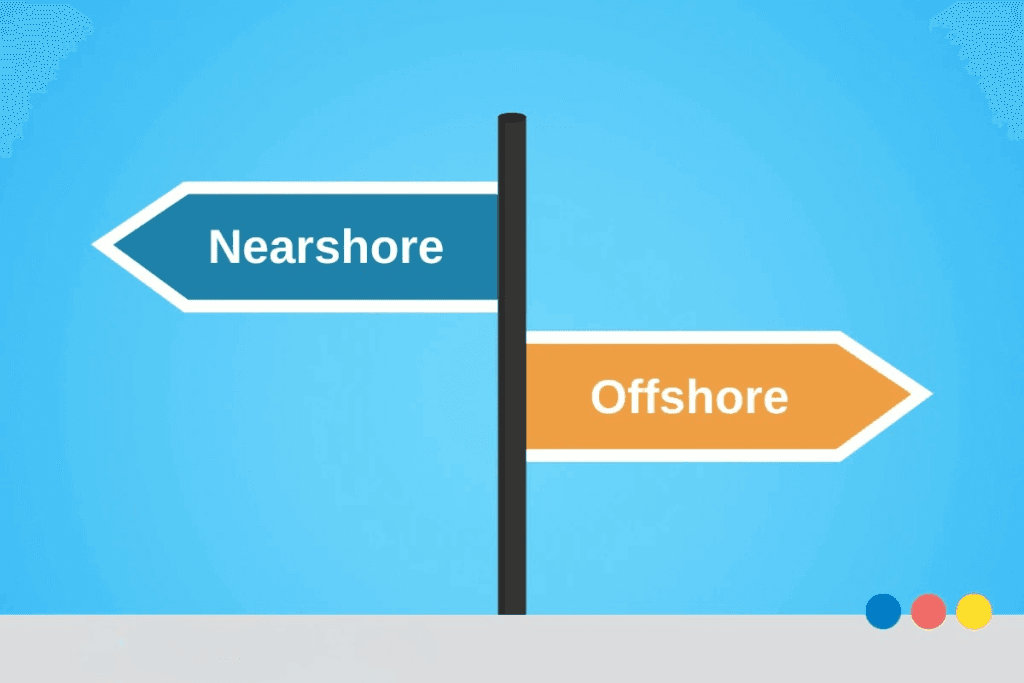
But here’s the million-dollar question: when you’re ready to outsource, should you go nearshore or offshore?
Both approaches offer distinct advantages and challenges, and choosing the best option for your business requires understanding your unique needs, project requirements, and budgetary constraints.
In this blog, we’re going to break down the key differences between nearshore and offshore outsourcing, and weigh their pros and cons.
Our goal is to help you determine which model will give your business the best return on investment while ensuring smooth, high-quality project execution.
Let’s dive right in!
What is Nearshore Outsourcing?
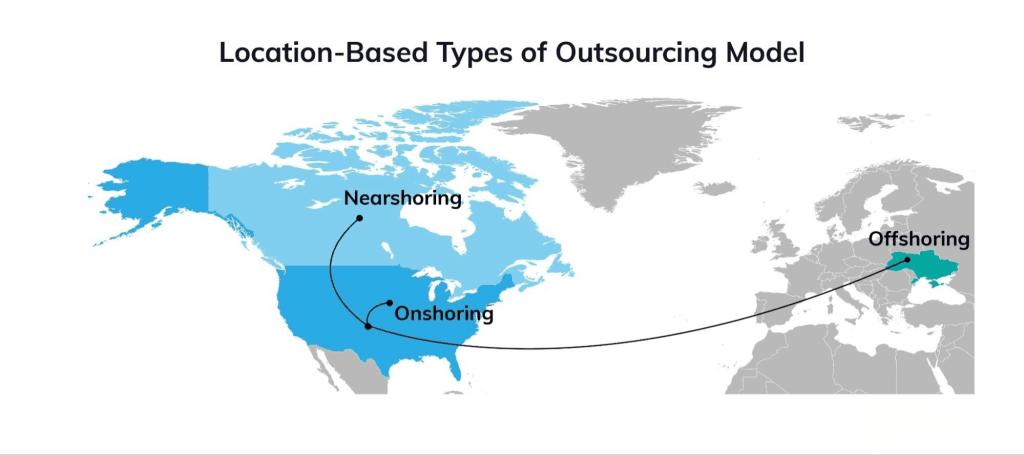
Nearshore outsourcing is all about teaming up with companies or talent in nearby countries, usually within the same time zone or just a few hours apart.
The big difference from offshore outsourcing? Proximity.
Instead of working with teams halfway across the globe (like in Asia), nearshore partners are close enough to make collaboration and communication feel seamless.
This results in fewer time zone headaches, fewer cultural gaps, and quicker responses.
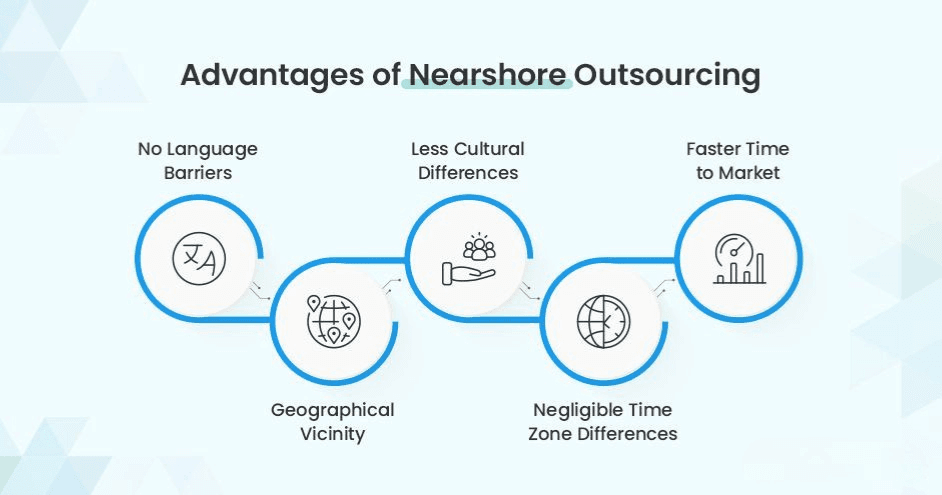
For example, U.S. businesses often look to Latin America for nearshore partnerships, while Western European companies typically tap into talent in Eastern Europe.
The primary benefits of nearshore outsourcing include:
- Time zone alignment: One of the biggest perks of nearshore outsourcing is working in sync. Since nearshore teams usually share your business hours, real-time collaboration and quick feedback become effortless.
- Cost-effectiveness: Nearshore outsourcing may not be as inexpensive as offshore, but it strikes a sweet spot. You save compared to hiring locally while avoiding some of the hidden costs and friction that can come with offshore teams.
- Cultural compatibility: Being geographically closer often means shared work cultures, better language fluency, and similar business practices; all of which make projects run smoother.
In short, nearshore outsourcing allows businesses to capitalize on the benefits of international outsourcing while minimizing the typical barriers like language barriers and significant time zone differences.
It provides an ideal middle ground, especially when rapid, efficient communication is critical.
Pros of Nearshore Outsourcing
- Since nearshore teams are located in similar or adjacent time zones, you can expect real-time communication, easier scheduling for meetings, and quicker turnaround times.
- Cultural alignment is another huge plus. Nearshore teams often share similar business practices and have strong language proficiency, which cuts down on miscommunication and helps them better understand your market and customers.
- While nearshore outsourcing can cost more than offshore options, it’s still significantly more budget-friendly than hiring locally; especially when you’re after top-tier talent.
- And if you ever need to meet in person? Travel is simple and affordable. Whether it’s a project kickoff, an in-depth workshop, or handling something urgent, you can be face-to-face with your team on short notice.
- Nearshore teams are often familiar with your industry and tools inside out. This means they can plug into your processes quickly, minimizing onboarding time and getting productive right away.
Cons of Nearshore Outsourcing
- While nearshore regions offer access to high-quality talent, they may not have as large a talent pool as offshore regions like India or Southeast Asia. Depending on your needs, that could limit your options a bit.
- While nearshore outsourcing offers a cost-effective option compared to hiring locally, it is generally still more expensive than offshore outsourcing.
- Cultural alignment is a big advantage, but no partnership is perfect. There can still be subtle differences in work styles, business practices, or even legal frameworks that you’ll need to navigate.
- And like with any outsourced team, nearshore partners may not feel as fully ingrained in your company culture as your in-house staff. Building that connection takes a little extra effort.
What is Offshore Outsourcing?
Offshore outsourcing is when you partner with teams or companies located much farther away (often in completely different continents) to handle your development or business services.
The biggest draw? Cost savings.
Countries like India, China, Southeast Asia, and parts of Eastern Europe offer skilled talent at a fraction of the price you’d pay in Western markets, making offshore outsourcing an attractive option for budget-conscious businesses.
In fact, most US businesses (66% of them) outsource at least one department, and the majority of them depend on the offshoring model to slash operational cost.
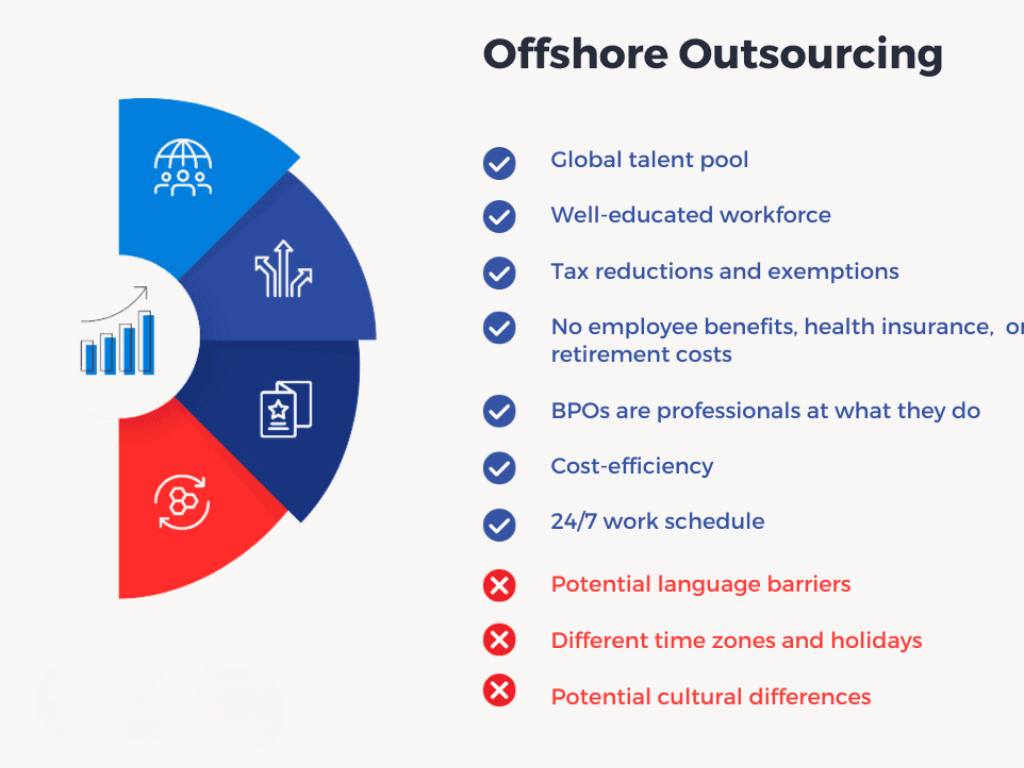
Beyond saving money, going offshore also opens the door to massive global talent pools.
You can tap into specialized expertise that might be hard, or even impossible, to find locally. This gives your projects a serious competitive edge.
Some of the main advantages of offshore outsourcing include:
- Lower labor costs: One of the biggest perks of offshore outsourcing is getting access to top-tier talent at a fraction of the cost of hiring domestically.
- Access to a wider talent pool: Offshore teams let you tap into global expertise. Whether it’s AI, software development, or niche technical consulting that might be hard to find in your own market.
- 24/7 productivity: Different time zones can actually work to your advantage. With a “follow-the-sun” model, your projects can move forward around the clock, cutting down development timelines and keeping things moving even while you sleep.
Of course, offshore outsourcing isn’t without its challenges. The distance can sometimes work against you, bringing time zone hurdles, language barriers, and cultural differences into the mix.
These factors can lead to miscommunication or delays if coordination isn’t handled carefully.
In essence, offshore outsourcing provides businesses with an opportunity to tap into global expertise at a lower cost.
However, careful management and clear communication are essential to overcoming the challenges that come with it.
Pros of Offshore Outsourcing
- The biggest win with offshore outsourcing is the huge cut in labor costs. Countries like India, the Philippines, and Southeast Asia offer highly skilled professionals at a fraction of what you’d pay for local hires, making it a budget-friendly way to scale.
- Another major advantage is access to a massive talent pool. Whether you’re looking for AI specialists, full-stack developers, or niche technical experts, offshore markets often have the kind of skills that are hard to find locally.
- Different time zones can actually work in your favor here. With a follow-the-sun setup, your projects keep moving 24/7, helping you hit deadlines faster.
- On top of that, offshore teams give you the flexibility to scale up or down as needed. Need extra hands for a big launch? Or want to cut back during slower periods? Offshore resources make that adjustment seamless.
Cons of Offshore Outsourcing
- One of the toughest parts of offshore outsourcing is the time gap. While the follow-the-sun model can keep projects moving 24/7, that 10–12 hour difference can make real-time collaboration tricky.
- Language can also be a hurdle. Even with strong English proficiency in many regions, subtle barriers can still creep in and impact communication.
- Managing offshore teams requires extra care, too. The physical distance and limited overlap in working hours can make it harder to maintain direct oversight, which sometimes leads to missed deadlines or misaligned priorities if not handled well.
- And then there’s the question of data security. Working with teams in countries that have different privacy laws or compliance regulations can raise concerns about protecting sensitive information and intellectual property.
In short, Offshore outsourcing provides significant cost savings, access to large talent pools, and the ability to scale quickly.
However, it also introduces challenges like time zone misalignments, language barriers, and security risks.
Deciding whether offshore outsourcing is the right choice for your business depends on the balance between costs, team alignment, and project complexity.

Key Differences Between Nearshore and Offshore Outsourcing
Deciding between nearshore and offshore outsourcing isn’t always straightforward.
Both come with their own benefits, and the best fit really depends on your project’s complexity, budget, and how much real-time collaboration you need.
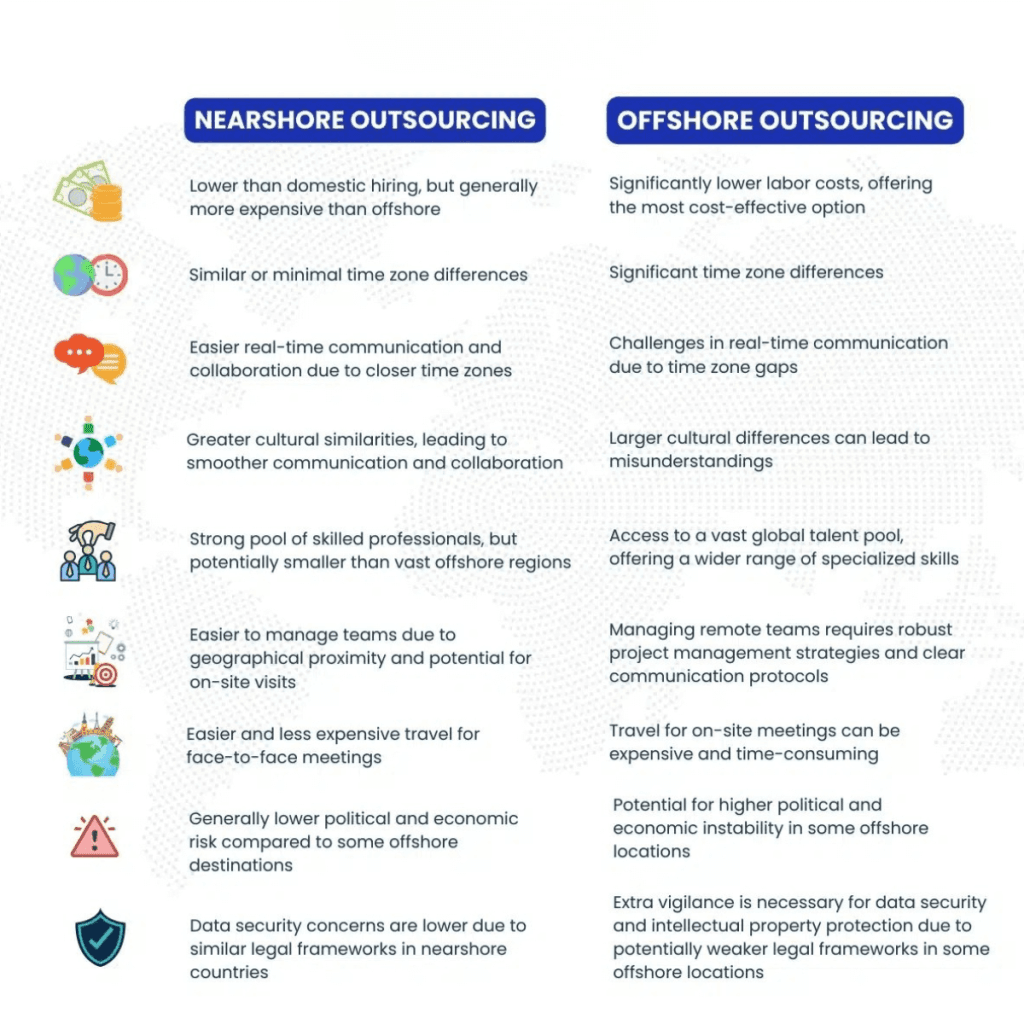
To make things clearer, let’s break down the key differences between these two models so you can figure out which one aligns best with your business goals:
1. Geographical Proximity & Time Zone Compatibility
With nearshore outsourcing, your teams are based in neighboring countries, usually sharing the same or similar time zones. That means real-time collaboration is a breeze: fewer delays, smoother communication, and easier scheduling.
Offshore outsourcing, on the other hand, often involves teams in far-off regions like India or the Philippines.
That 8–12 hour time difference can make instant collaboration a challenge and may require you to adapt to more asynchronous workflows to keep things moving.
2. Language & Cultural Alignment
One of the big perks of nearshore outsourcing is cultural alignment. Teams in regions like Latin America or Eastern Europe often have strong English skills and similar work practices to those in the U.S. or Western Europe.
That shared understanding makes communication smoother and reduces the risk of things getting lost in translation.
Offshore teams, however, can sometimes face more noticeable language or cultural gaps.
While many are highly skilled, differences in communication styles or lower language proficiency can create misunderstandings, especially when dealing with complex, detail-heavy projects.
3. Cost Implications
Nearshore outsourcing usually hits a middle ground when it comes to cost. It’s more affordable than hiring locally but pricier than offshore.
What you’re really paying for here is the balance: lower costs combined with smoother communication and faster turnaround times.
Offshore outsourcing, on the other hand, is often the most budget-friendly option.
Labor costs in regions like India, China, and Southeast Asia are significantly lower, making it a go-to for companies focused on cutting expenses.
The trade-off? Those savings can sometimes come with added challenges around communication and coordination due to distance and time zones.
4. Speed of Delivery
Nearshore outsourcing really shines when it comes to speed and teamwork. With shared time zones, cultural alignment, and easy communication, you get faster delivery and smoother collaboration.
Real-time meetings and quick responses help projects stay on track and move forward efficiently.
Offshore outsourcing can save you a lot on costs, but timelines can sometimes stretch due to time zone gaps and slower feedback loops.
The “follow-the-sun” model keeps work going 24/7, but without real-time communication, small delays in updates or approvals can add up.
5. Talent Pool and Expertise
Nearshore outsourcing connects you with a skilled talent pool that often understands your market and industry-specific challenges.
The pool might be smaller than offshore, but it’s typically more focused and specialized, making onboarding smoother and collaboration easier.
Offshore outsourcing, on the other hand, gives you access to vast and diverse talent pools, especially in regions with thriving tech industries.
You can find experts across a wide range of technologies, though tracking down very niche skills may take a bit more effort.
In some cases, the level of specialized experience can vary depending on the region.
6. Control and Communication Over Project Management
With nearshore outsourcing, the closer proximity makes hands-on project management much easier.
You can hop on real-time meetings, have frequent check-ins, and keep the project aligned without too much friction.
Offshore projects, on the other hand, often depend on more structured management processes to bridge the distance.
Many offshore teams work with agile methodologies, but the time zone gaps can make things feel a bit more formal and less flexible compared to the quick back-and-forth you get with nearshore teams.
7. Risk and Legal Considerations
Nearshore outsourcing often comes with fewer legal headaches, especially when you’re working with regions that share similar regulations to your home country.
For example, European businesses outsourcing within the EU benefit from consistent GDPR compliance, which reduces the risk of legal or data privacy issues.
Offshore outsourcing can be trickier on this front.
Different laws and regulatory standards,especially around sensitive data or intellectual property; meaning you’ll need rock-solid contracts and strong security measures to stay protected.
Ultimately, the “right” choice comes down to your priorities. If cutting costs is at the top of your list, offshore outsourcing is hard to beat.
But if you value faster communication, cultural alignment, and tighter control over your projects, nearshore might be the smarter strategic move.
How to Make the Best Choice for Your Business
Choosing the right outsourcing model, whether nearshore or offshore, depends on several factors unique to your business.
It’s essential to understand both the benefits and limitations of each model so you can make an informed decision based on your project’s requirements, budget, and timeline.
Here’s how to make the best choice for your business:
When to Choose Nearshore Outsourcing
Nearshore outsourcing is often the ideal solution when communication, collaboration, and alignment with your internal team are key priorities. Choose Nearshore Outsourcing when:
- Your project requires frequent communication, rapid feedback, or tight coordination.
- You are looking for an easier cultural fit, and seamless integration.
- You Want to Minimize Travel and Logistics Complications.
- You need faster onboarding and ramp-up time.
When to Choose Offshore Outsourcing
Offshore outsourcing is an attractive option when cost savings and access to specialized talent are more important than the proximity and real-time collaboration provided by nearshore teams.
Here are some scenarios where offshore outsourcing makes more sense:
- When you need access to a vast talent pool for a large team with diverse skills.
- When time zones are less critical or real-time collaboration isn’t essential.
- When you need to work on large-scale projects with flexible timelines.
- If you want to maximize cost savings or have budget constraints.
Ultimately, the decision between nearshore and offshore outsourcing depends on your business priorities.
Wrapping Up: Choose the Outsourcing Model That Works for You
The decision between nearshore and offshore outsourcing isn’t just about choosing the cheapest option; it’s about selecting the right model that aligns with your goals, team structure, and project requirements.
Now that you know the key differences, pros, and cons of each, the next step is to assess what will give your business the most value.
Consider your project scope, timeline, and budget to choose the model that’ll help you scale faster, deliver quality, and stay on track with your business objectives.
If you’re ready to make the best outsourcing decision, Inument is here to guide you.
Whether you’re leaning toward nearshore or offshore, we specialize in matching businesses with the right talent and strategic partners for seamless, cost-effective delivery.
Need help deciding?
Let’s connect and discuss the best outsourcing strategy tailored to your project’s needs.
Inument is here to help you find the perfect and streamline your growth!
About the Author

admin
Related Insights


Your AI Is Faster. Why Is Your Business Still Waiting?
13 October 2026

Your Project Doesn’t Need Agile. It Needs the Right Delivery Model
02 October 2026

Cloud Didn’t Fix Your Architecture. AI Just Exposed It
24 September 2026

AI Reliability Debt: The Hidden Cost of Production AI Systems
14 September 2026

Quality Assurance Isn’t a Cost. It’s What Stands Between You and a Bad Reputation
07 September 2026
